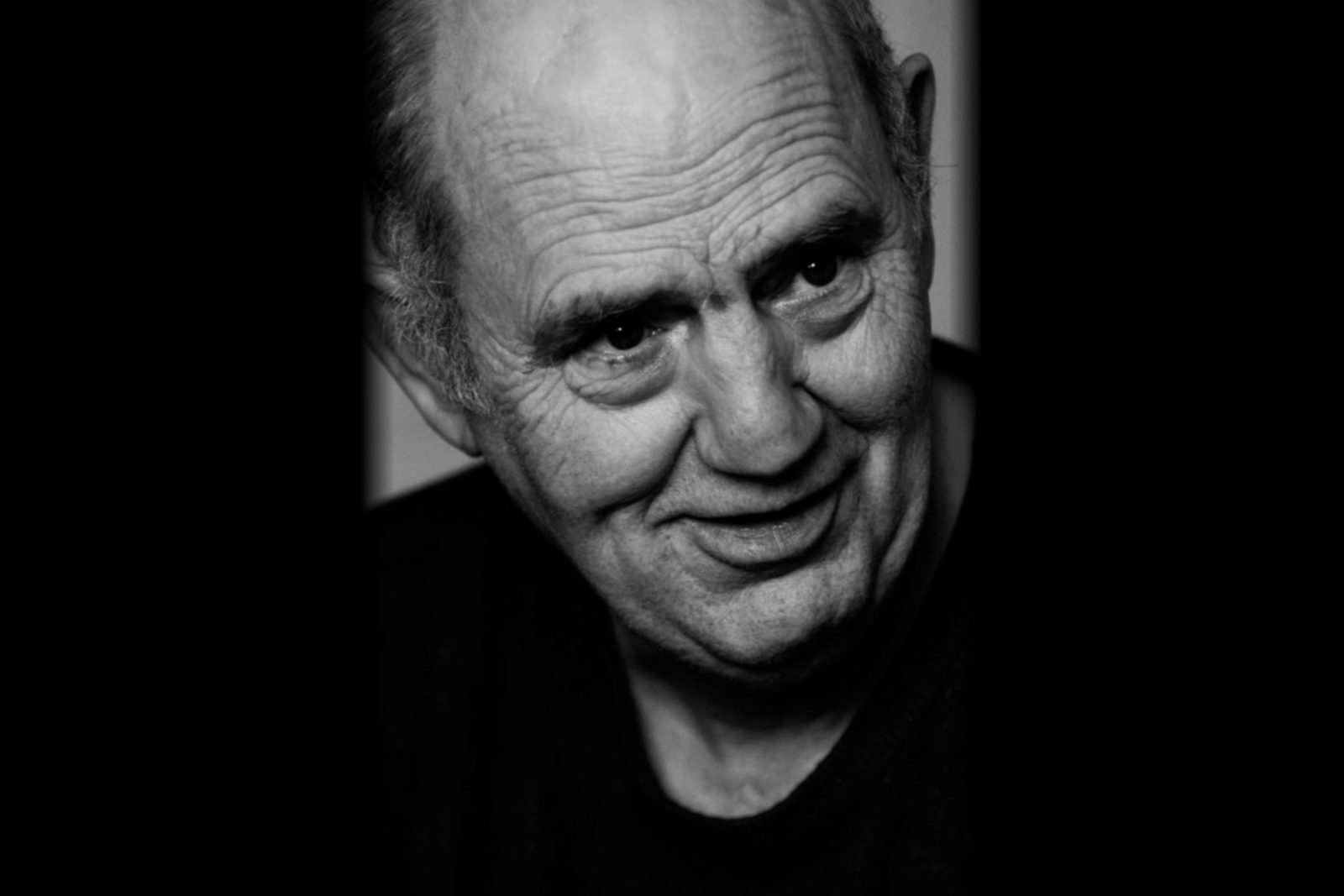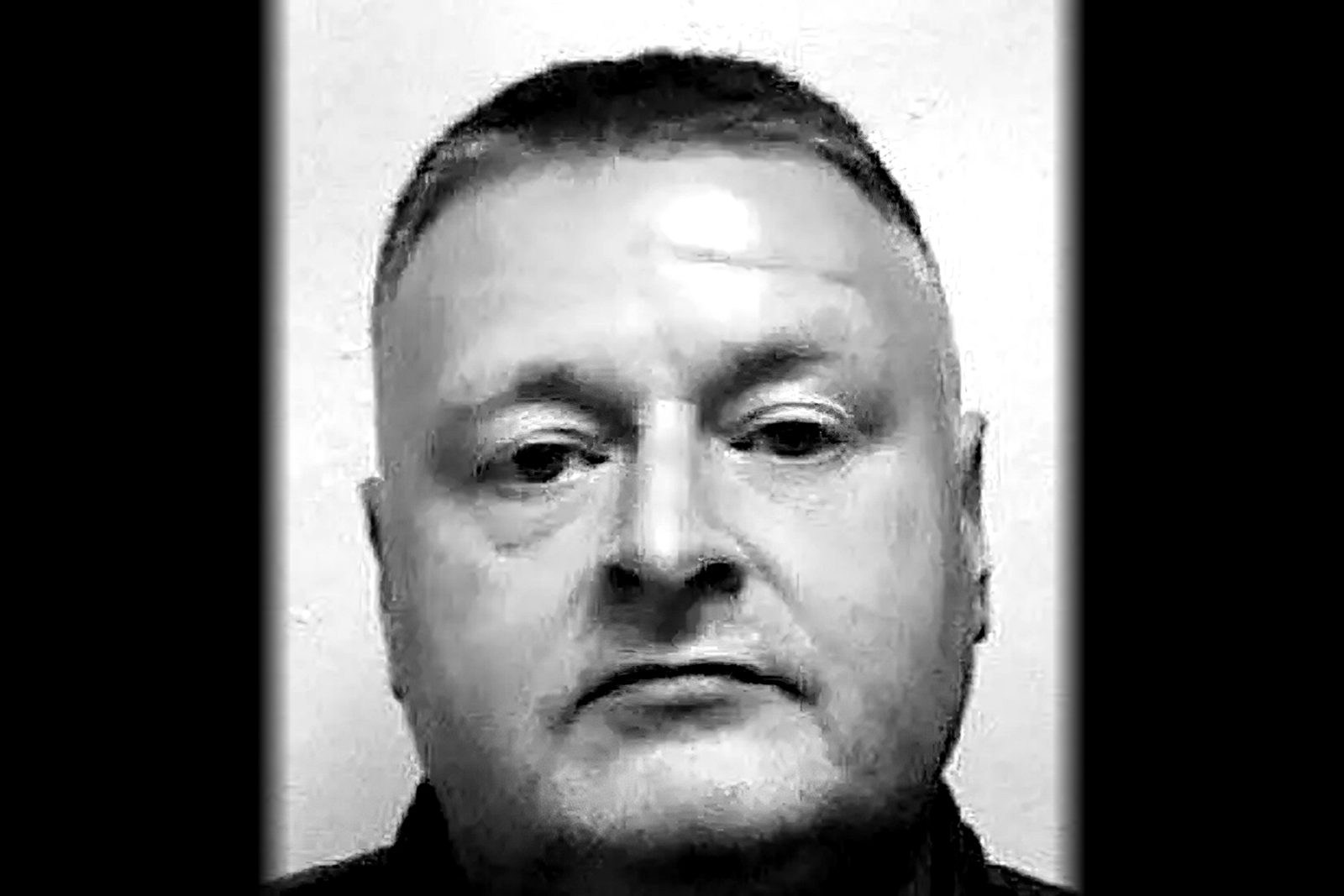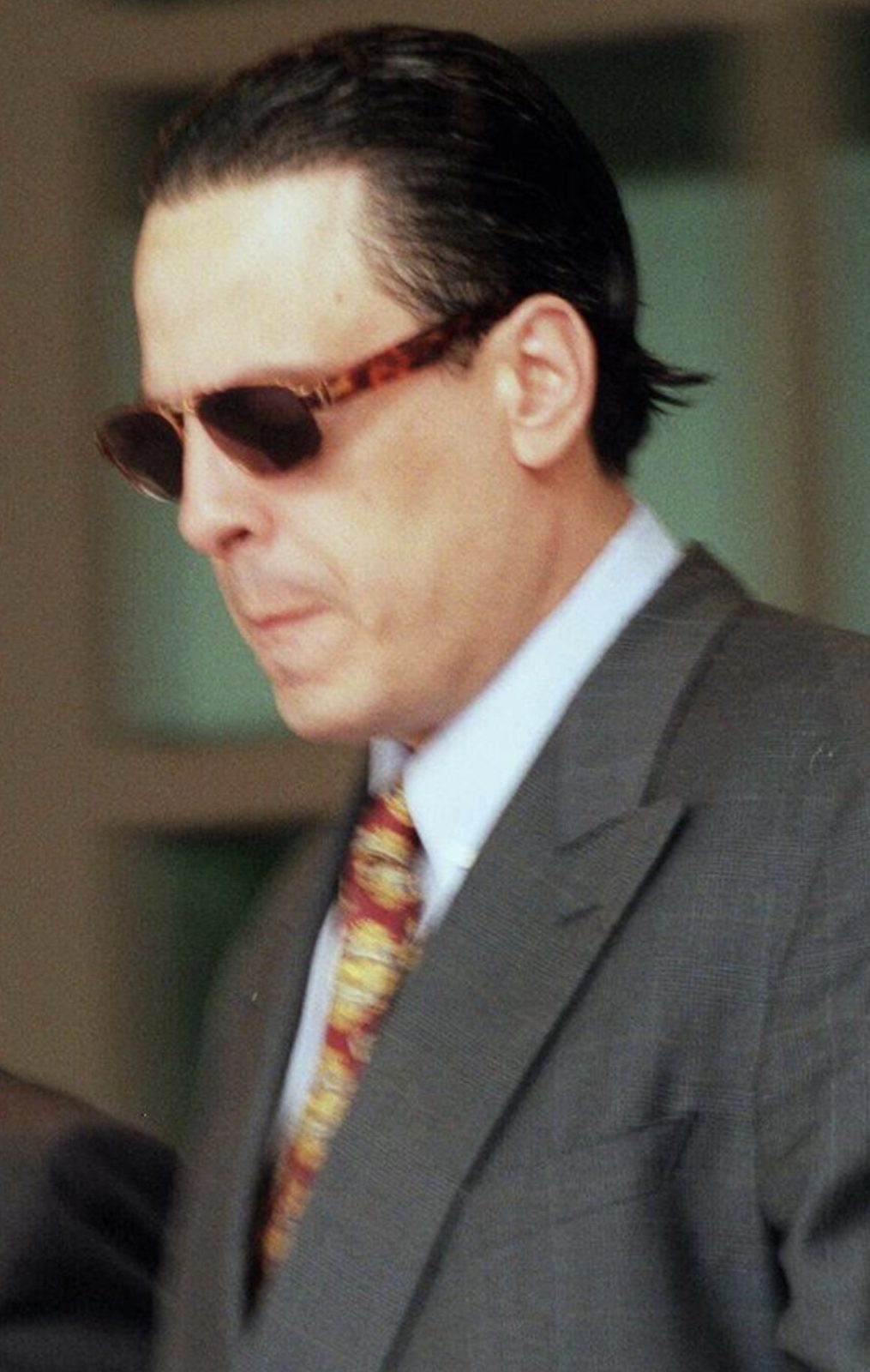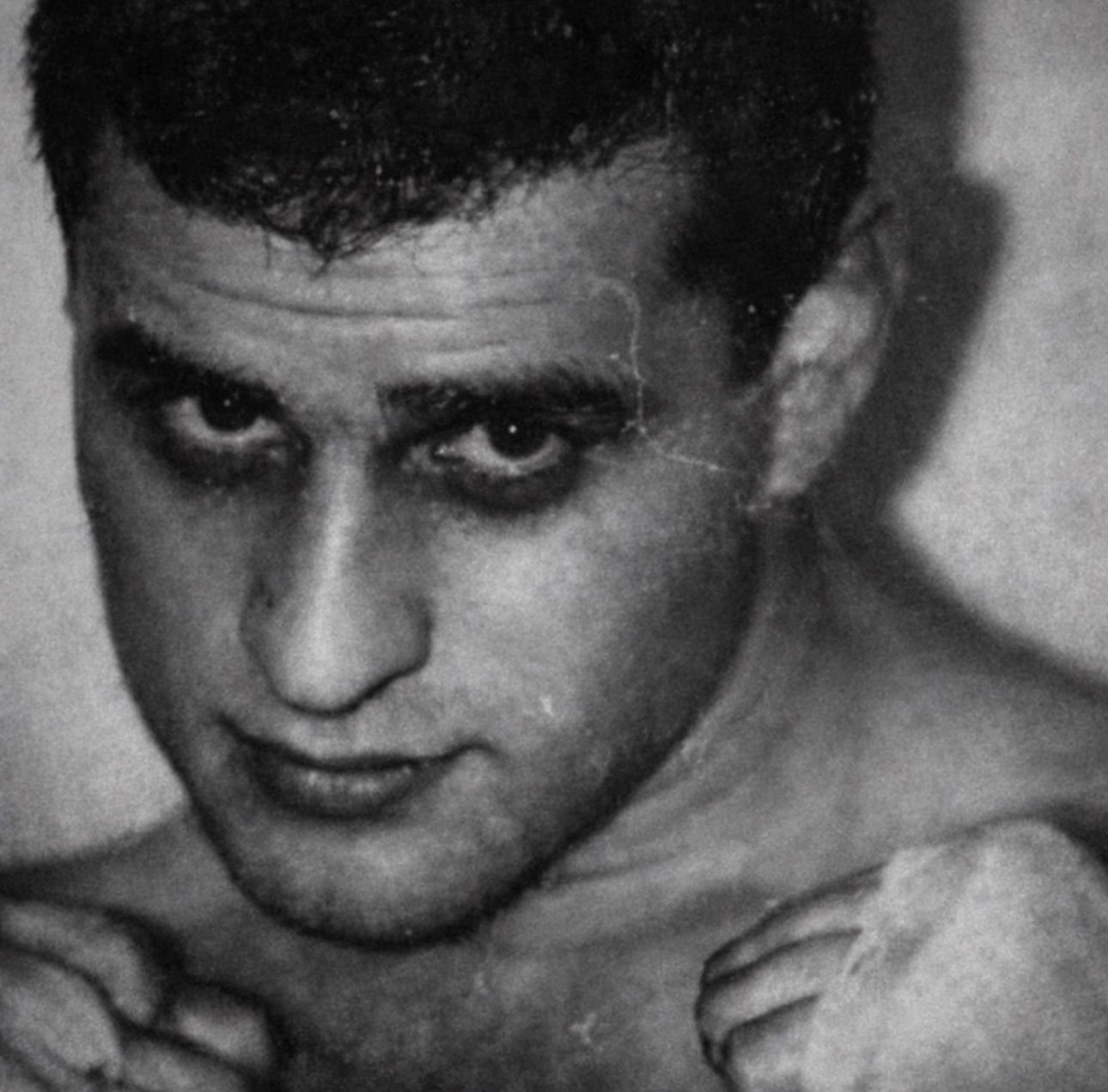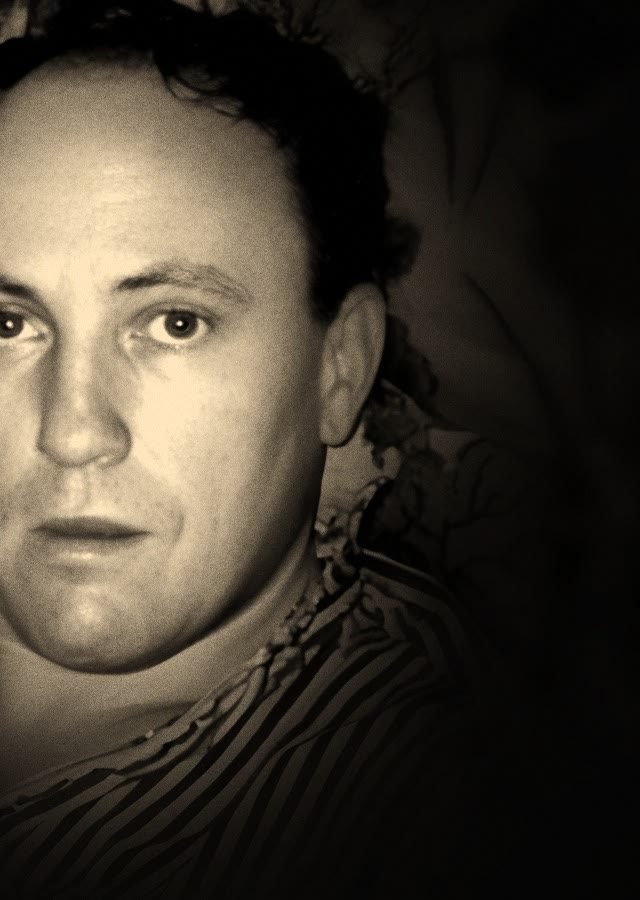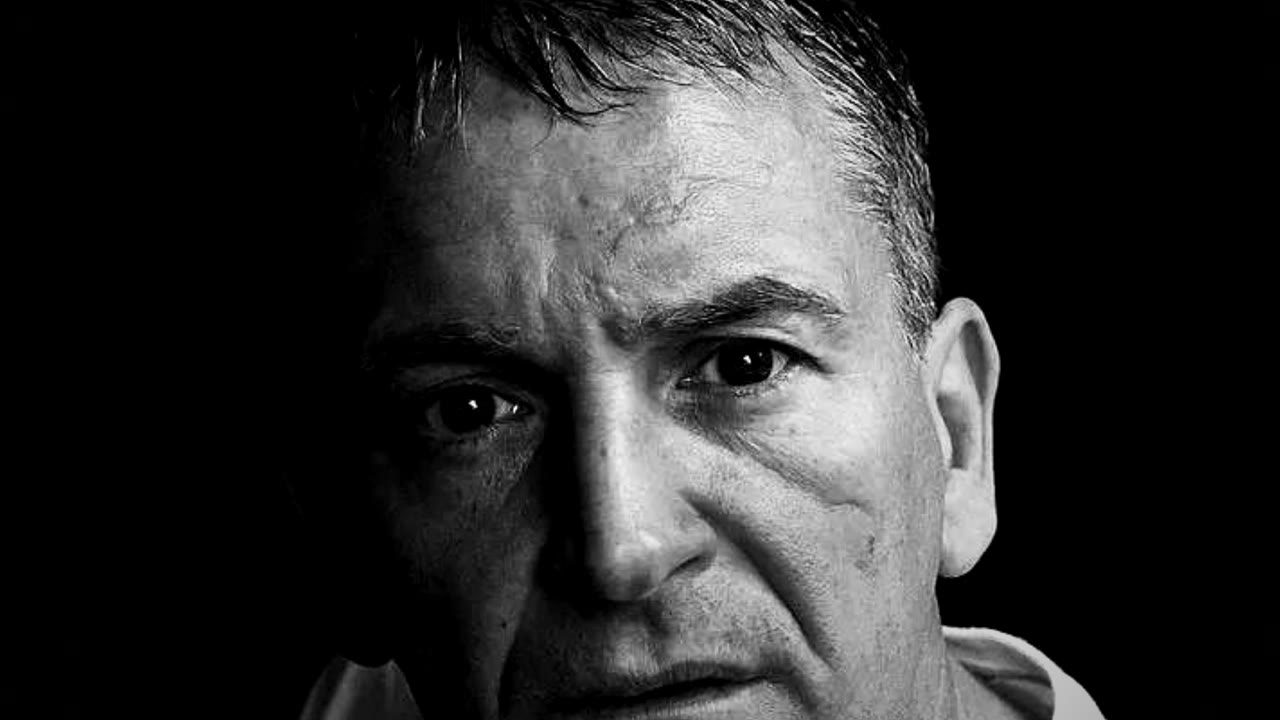
Ian McDonald was licking an ice lolly on a walk round Hogganfield Loch with his dog when a car went past with three young men in it, and all three of them turned to stare at him.
It was a beautiful afternoon in May 2009. He was forty-eight. Everyone in Glasgow called him Blink, and he had been around the city's underworld for thirty years. He noticed the car, and he thought nothing of it.
That was his first mistake of the day. By his own reckoning, it was also very nearly his last.
Don't feel sorry for me. I've given it out, now I've got it back
Blink McDonald, to his hospital visitors
1 · 2009
The bomb under the car
Blink came up the old way. He robbed, he fought, and in his own book he does not pretend otherwise. Glasgow's most powerful crime figure of the day, Arthur Thompson, offered him work. Blink had a different plan. He wanted one big score to pay for a new life in Spain.
In 1991 he was part of a gang that tried to rob a NatWest bank in Torquay, Devon. It went badly wrong, and he was jailed for sixteen years. Inside, he met Eddie Richardson, Charles Bronson, Archie Hall and Ronnie O'Sullivan, the father of the snooker player. When he came out, he found that the Glasgow he had left had changed.
He calls the men who replaced his generation the new school. The old rules, as he tells it, had kept wives and children out of it. You did not go for a man at his house. The new breed did not care.
In 2009 the warning signs came fast. An explosive device was found under his car. According to his publisher, it was discovered while a television crew was filming him for Danny Dyer's Deadliest Men, and the crew packed up and left Scotland. Friends started telling him there was a contract on his life. One of them told him to get out of his flat. "It's an assassin's paradise," he said.
Blink would not move. He told his friend that if people wanted to attack him, they could do it in the street. "I'm not going to their homes and it's out of order for them to come to mine," he said.
Timeline
- 1991Jailed for sixteen years over the Torquay bank job
- 2009Explosive device found under his car
- 12 May 2009Slashed near his mother's house
- 2012His book Blink is published
- 2020Reissued as Scotland's Wildest Bank Robber
2 · 2009
The police go home
For three days after the bomb, the police kept watch on his flat. On the fourth day, Tuesday 12 May, he took the dog out and noticed they had gone.
A thought crossed his mind, he writes. Nearly twenty years earlier, two men, Bobby Glover and Joe Hanlon, had been under police observation too. The day the watch was lifted, they were both shot dead.
Still, he told himself, that was a long time ago. He walked the loch, ate his lolly, saw the car with the three young men, and went home. Then he decided to go round to his mother's. She had been on holiday and was due back.
On the way he saw the same car again. He put it down to coincidence. He walked past the house that had belonged to Arthur Thompson, and past the spot outside it where Thompson's son had been shot dead in 1991.
Then something hit him on the back of the head, and he went flying.
3 · 2009
Don't run, you're supposed to be a gangster
He got up in the middle of the road and saw three men in front of him. Dazed, he asked them who they were. "Come on," they said.
He had no weapon, not even the dog's lead. He was not scared, he writes. He had been in situations like this for thirty years. He could have run, and he thinks he would have got away. Instead, by his own admission, he fell for one of the oldest tricks there is. One of them shouted, "Don't run, you're supposed to be a gangster." Another took it up. "Aye, come on, big man, hard man, don't run."
So he stayed. He could tell they were nervous, he says. They had hit him from behind and not finished the job, and now they had to do it face to face. They muttered to each other and began to circle him.
Then they were fighting. The four of them rolled down a slope and fetched up against the gates of St Paul's Church, at the corner of the road where his mother lived. One of the men sat on his legs. Blink heard one of them ask, "Who's going to do this?" Another voice said, "Here, take this."
They were trying to cut his throat. He got his hands up, and felt his face being opened. "They're trying to kill me," he remembers thinking. "I can't believe this is happening in broad daylight."
Then they were up and running, back to a getaway car.
4 · 2009
Thirty-six stitches
He stood in the road shouting after them, calling them cowards, holding his face. He did not know yet how bad it was. If they had got his throat, he writes, he would have had about four minutes.
A woman stopped her car. She had a child strapped in the back. She asked if he was all right, whether he had seen them, whether he wanted the registration number. He told her no. She drove off, he says, looking like a woman who had realised this was heavier than she wanted.
There was blood on the pavement. Somebody handed him a towel. He walked to his mother's door, and his niece opened it and screamed. A neighbour drove him to Stobhill Hospital, where he found out he had also been cut on the back of the head.
Officers from the unit investigating the bomb came to see him. They asked him, he writes, whether he was going to say nothing. He told them he was. He was never questioned after that. Nobody took his blood-soaked T-shirt for testing. He took that to mean they thought he had got what was coming. "Then I was of the same opinion," he writes.
That night he was moved to the plastic surgery unit at Glasgow Royal Infirmary. The next day surgeons closed a wound that ran from his eye to his ear with thirty-six stitches.
When visitors told him they were sorry, he had a stock answer. "Don't feel sorry for me. I've given it out, now I've got it back." The only surprise, he said, was that he had reached forty-eight before it happened.
 Rather watch it?The film is on Gangland & True Crime Docs.Watch →
5
The paymaster
The three men were in their late twenties, he says, and Glaswegian. They were paid. The bomb and the slashing, he is sure, came from the same place, and the same man paid for both.
He knows who that man is. He has said so in print. "Knowing the identity of the paymaster and his character meant I wasn't scared," he wrote.
He has never named him, and he told the police nothing. On that, at least, Blink kept to the old code.
He wrote the book instead, with the journalist David Leslie, and it came out in 2012. In the years since, he has spoken openly about a cocaine addiction and a spell in rehab, and about turning his back on the life. The scar runs from his eye to his ear.
The man who paid three young men to cut his throat in daylight has never been named, and Blink is not going to be the one to do it.
The full story, in Blink's own words, is in our film on Gangland.