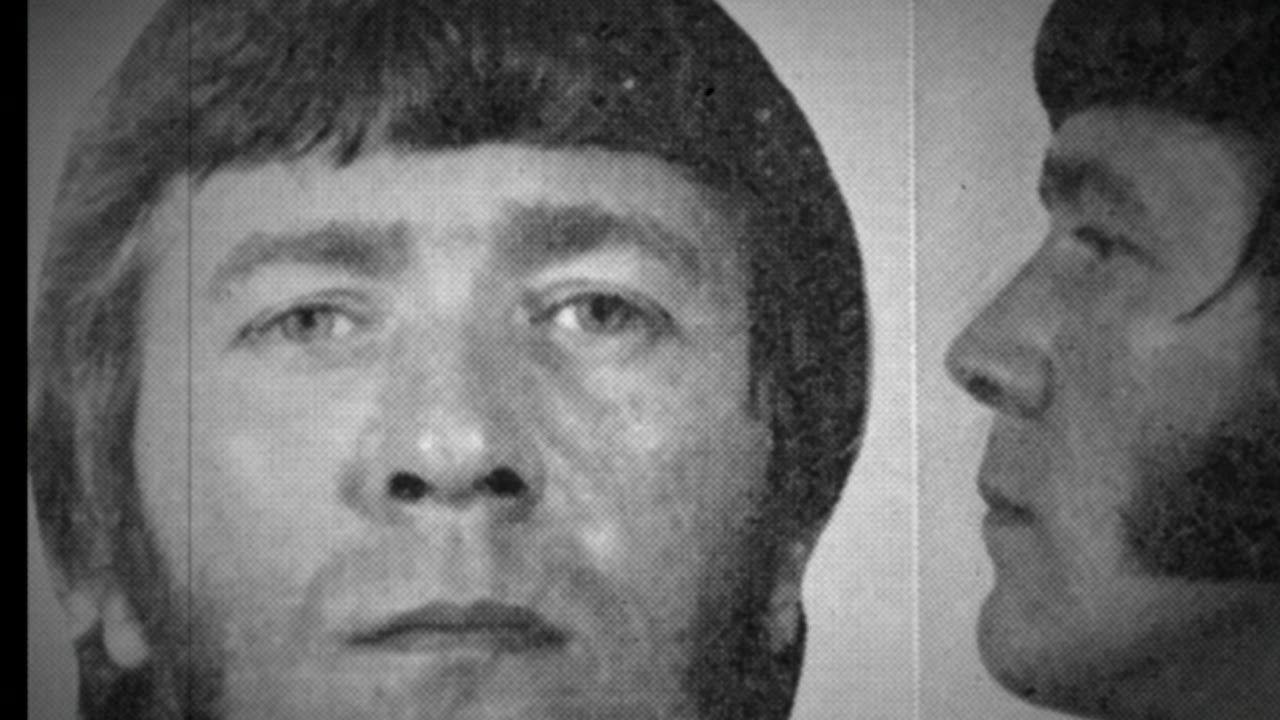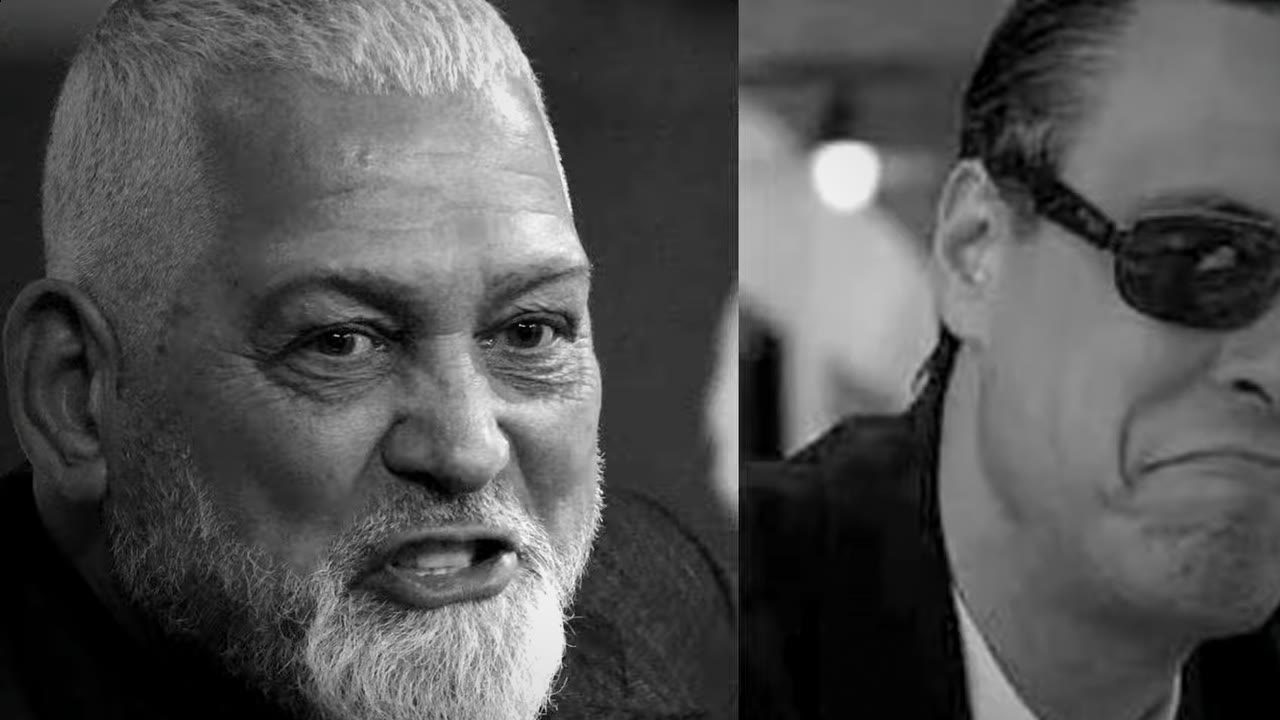
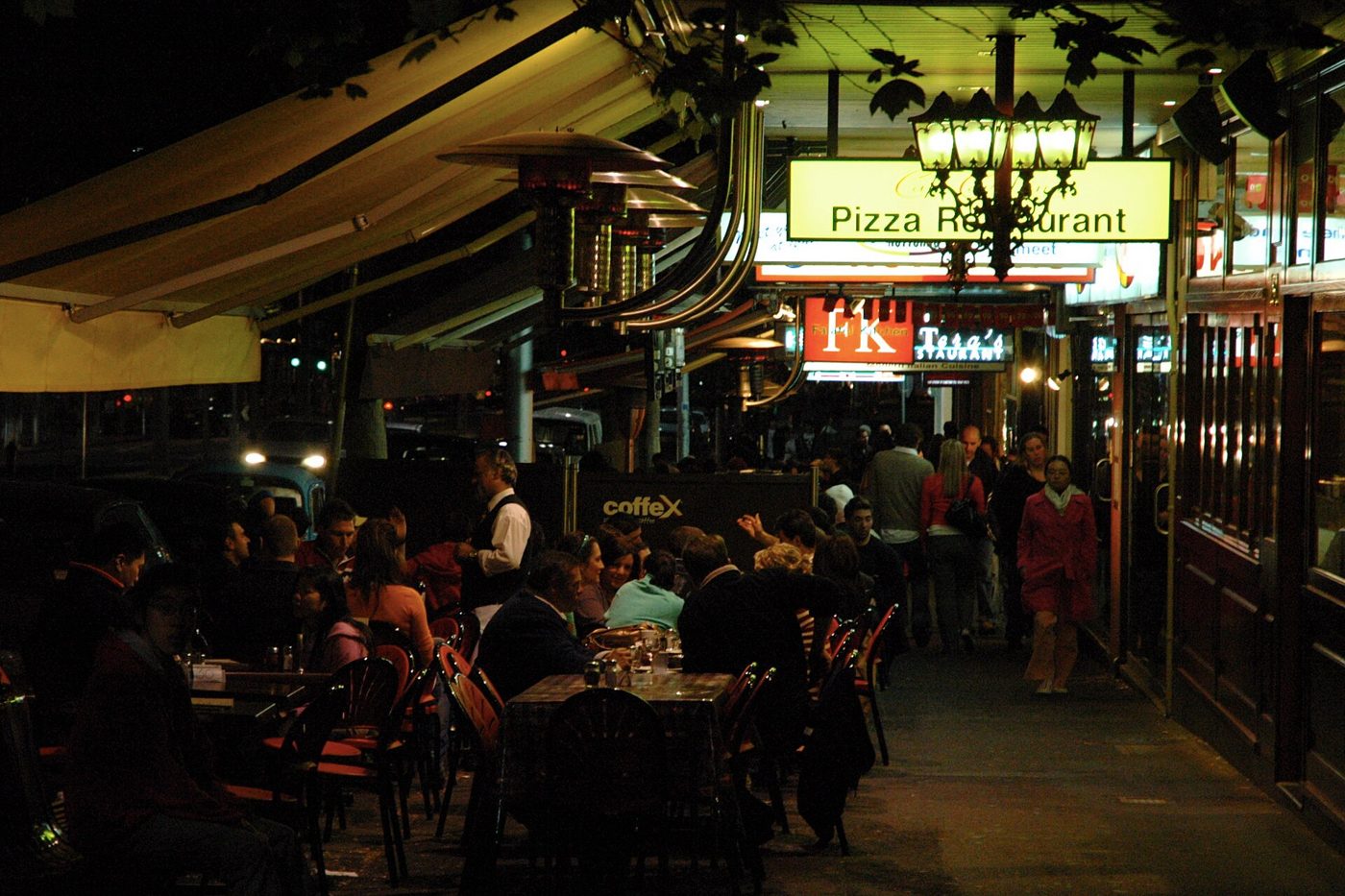
On the night of 19 December 1995, a few days before Christmas, three men walked into the Sports Bar in King Street, the old nightclub strip at the western edge of Melbourne. What happened there took a few minutes. By the end of it ten people were in hospital, and a judge would later count thirteen injured.
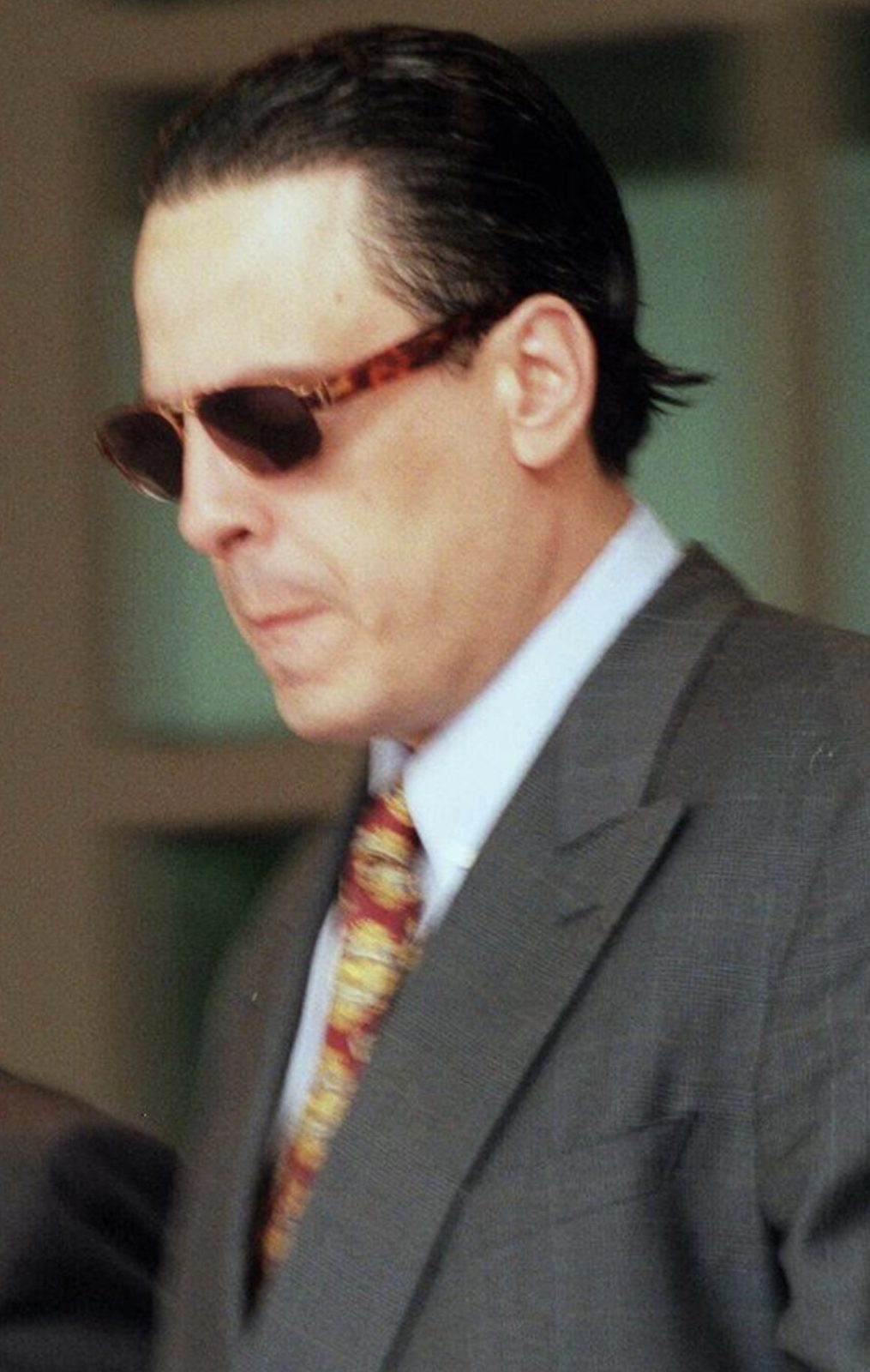
The witnesses described "the man in the grey suit". He beat one customer with a pool cue until it snapped, and then, according to evidence given in court, he asked, "Who's gonna be next?" A South African tourist was hit with a cue until it broke, then stabbed with the broken pieces and hit with an ashtray. A woman's jaw was broken. One man lost the sight of an eye. Police said the trouble was over protection money, and a judge would later find the evidence too thin to show that the bar owed Gangitano anything at all.
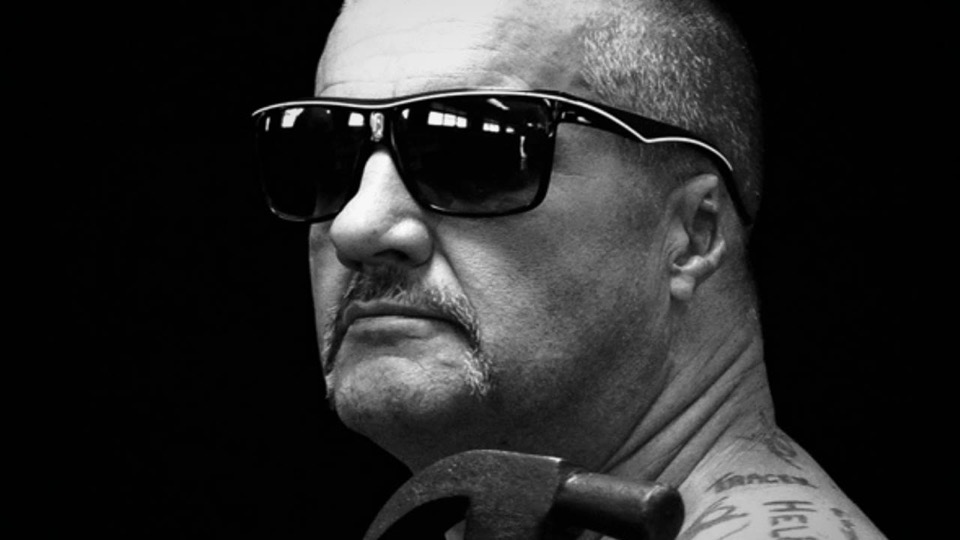
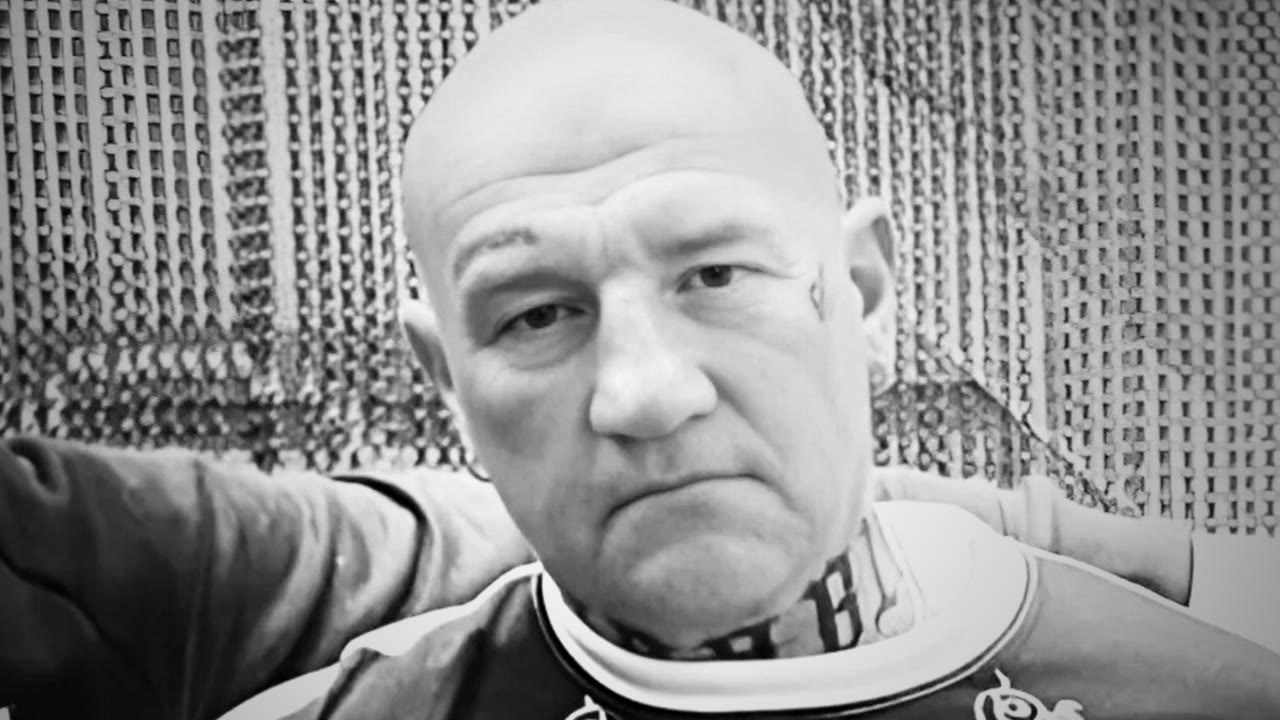
The man in the grey suit was Alphonse Gangitano, and the police did not have to look far for him. They arrested him in the street outside, by their account still swinging a pool cue and chasing another victim up the road. One of the other two, Jason Moran, got away, and the next morning a police listening device caught him talking about having to shower to wash the blood off. "To cut a long story short," he said, "I started it." When the police finally caught up with him they fractured his skull. He would carry the scar, twelve centimetres long, for the rest of his life.
To cut a long story short, I started it
Jason Moran, on a police tape, the morning after the Sports Bar
Moran was taped again, talking to a lawyer about the night. He did not sound like a man who admired his co-accused. "He's a f*ing lulu," he said of Gangitano. If you smashed five pool cues and an iron bar over somebody's head, Moran went on, you were a lulu.
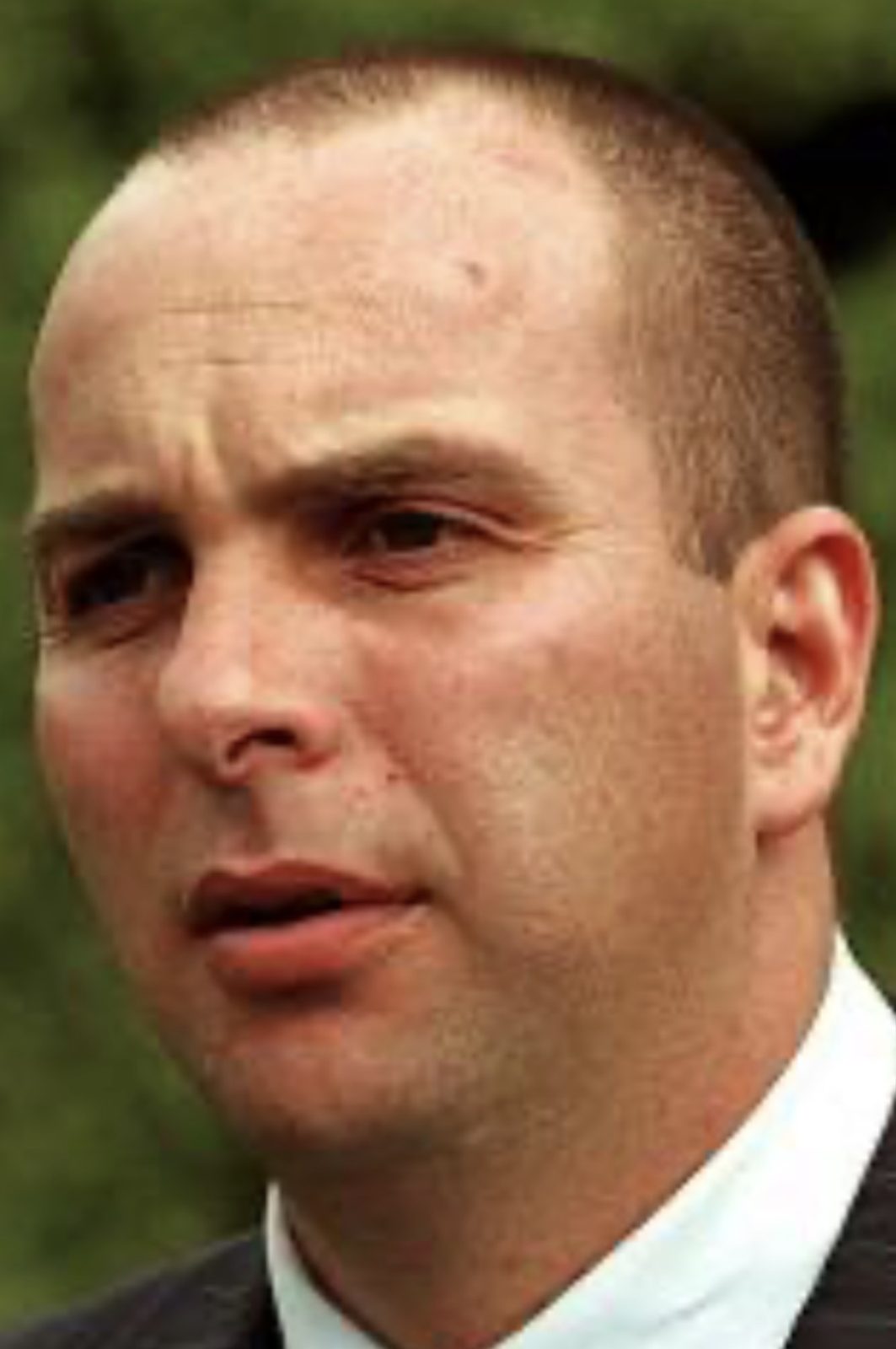
Gangitano was the son of Italian migrants who had done well, with family property on Lygon Street in Carlton, the heart of Italian Melbourne. He had gathered a crew of young men around him that became known as the Carlton Crew, and he dressed and talked like a film gangster. The papers called him the Black Prince of Lygon Street. Jason Moran was one of his closest friends.
1
Round one
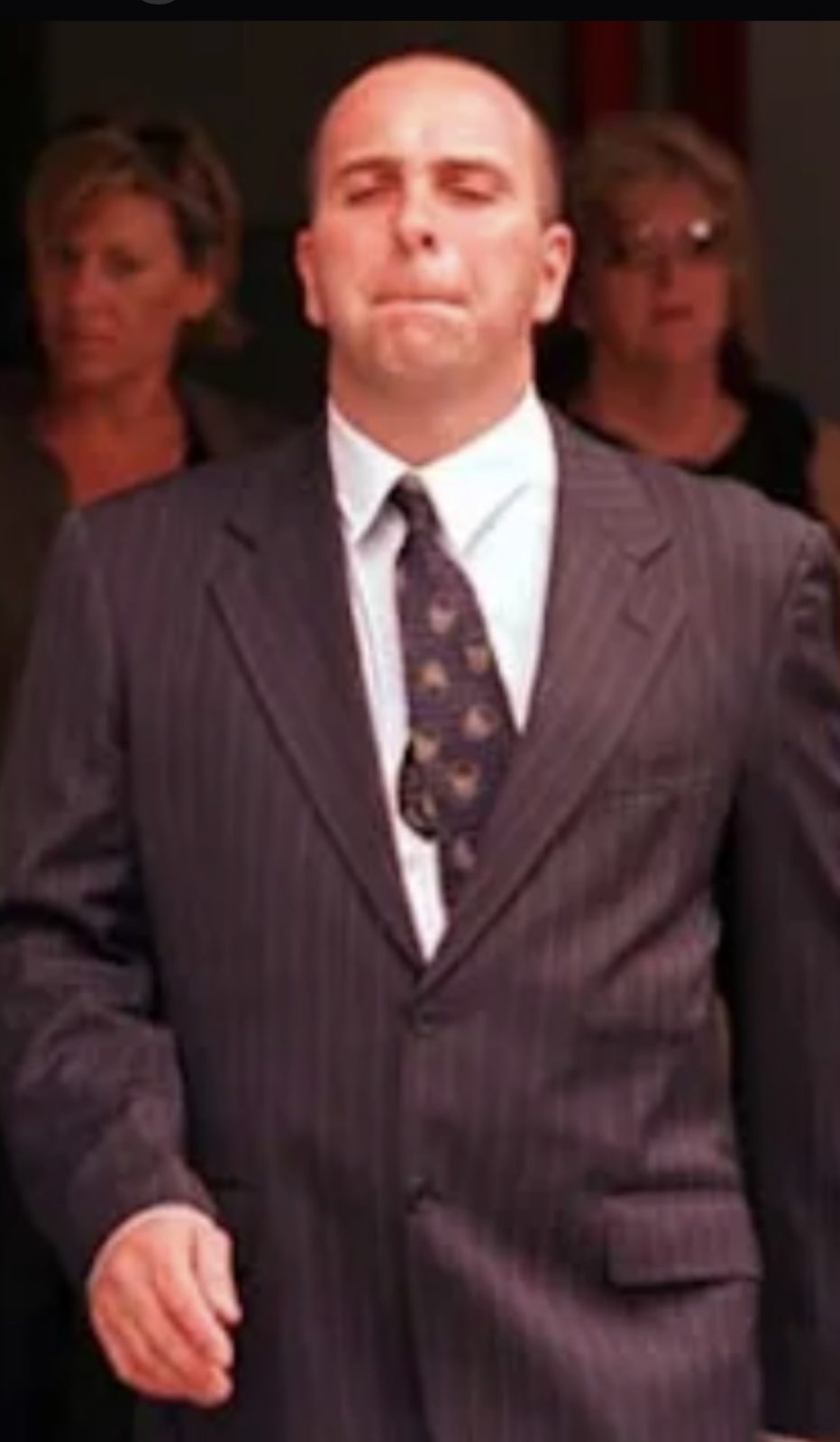
On Friday 16 January 1998, Alphonse Gangitano came to court in a grey suit.
It was imported and it was expensive, and he wore it well. He was forty years old, handsome and smooth, and he walked into the Melbourne Magistrates' Court in William Street that Friday morning the way he walked into everywhere, as if the building had been waiting for him. The court had been waiting for him for two years. He was there on the charges from the Sports Bar.
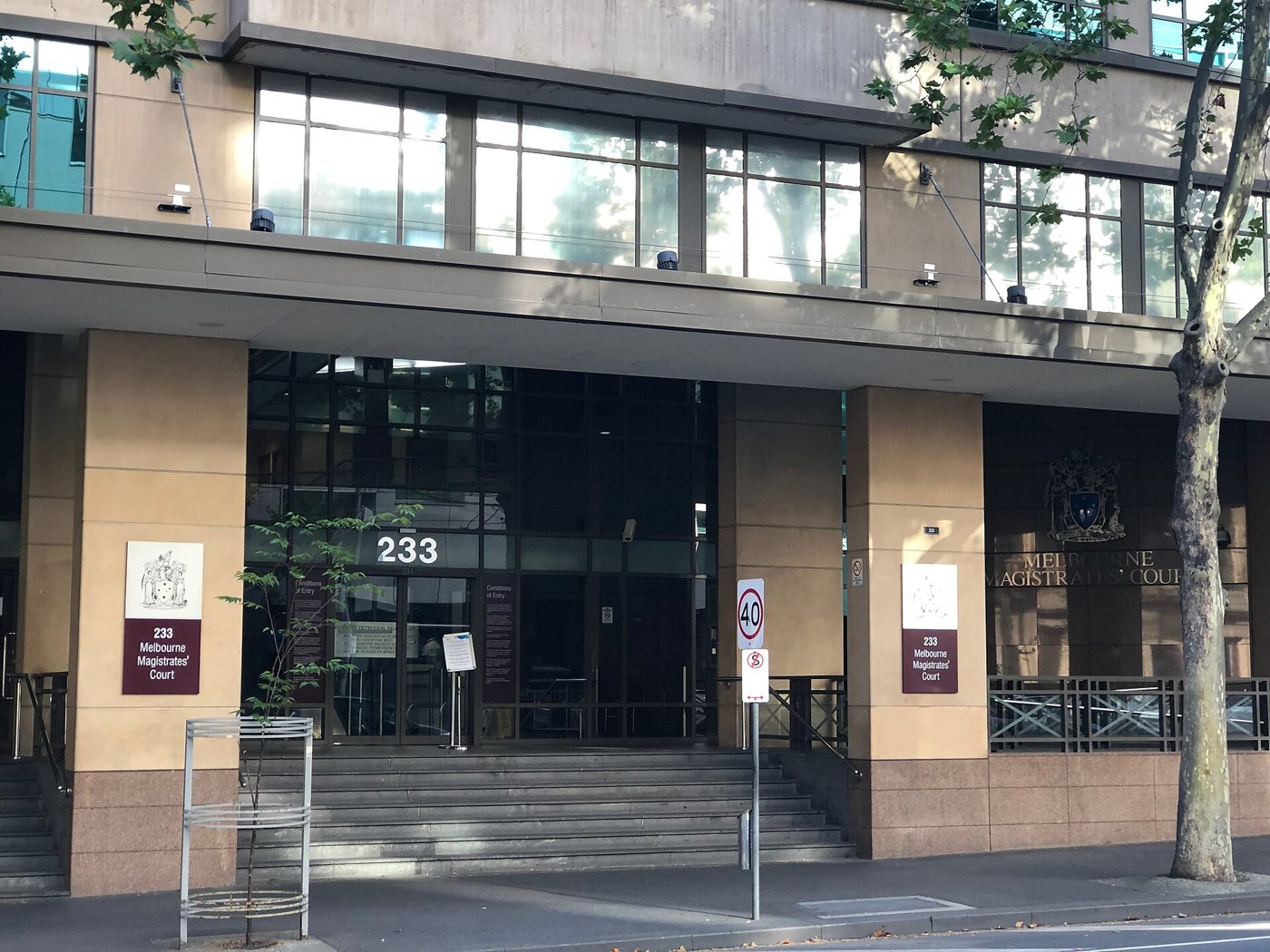
The hearing was a committal. A magistrate would listen to the prosecution's witnesses and decide whether there was enough to send the case up to a jury. It was the slow end of the law, days of evidence that nobody outside the room would ever read, and it was the stage at which a good defence could make a case fall apart before it ever got near a jury. Gangitano had a good defence. He had told his friends he was confident he would be acquitted, and that his legal team would "blow them away".
He was not the only accused. Beside him in the case was Jason Moran, thirty, a son of the Moran family, who had been with him in King Street that night. Moran had come to court too. When the case was opened up years later at an inquest, the barrister assisting the coroner, Jeremy Rapke, told the court that the two co-accused had appeared "somewhat distant" from each other that morning.
Anybody who knew them would have noticed. For years they had been close. Moran had grown up inside the Melbourne underworld the way other boys grow up inside a football club. His father, Lewis, was in it, so was his half-brother, Mark, and as a fifteen-year-old he had put a notice in the paper for the murdered standover man Brian Kane, signing it "Your little mate". Gangitano was ten years older, the senior man, the one with the name. They had drunk together upstairs at the Joker Bar in Lygon Street and dressed alike, as the reports of the time put it, like movie gangsters in suits and wool-blend trench coats.
Now they sat in the same case and kept a gap between them.
That was the problem with the committal in William Street. Of the two men in the case, Gangitano was the one the police had caught with the cue in his hands. The evidence against him was stronger than the evidence against Moran. If they stood trial side by side, the younger man would be standing next to the one the witnesses remembered. Every day the case went on, Moran was tied to a man who seemed to be getting worse.
Timeline
- 19 Dec 1995The Sports Bar
- 16 Jan 1998, morningCommittal hearing
- 16 Jan 1998, middayCoffee at the Four Courts Cafe
- 16 Jan 1998, 4.45pmHe rings his solicitor and promises to ring back
2
The Four Courts Cafe
When the court rose that Friday, the two men walked out together. Whatever had been between them in the courtroom, outside it they looked, as Silvester and Rule put it, as staunch as ever. They shook hands outside.
Then they went for coffee with a group that included four of their defence lawyers, down William Street to the Four Courts Cafe. In January the city was in its summer holidays, the office towers half empty, the trams running light, the heat coming up off the footpaths. Gangitano sat among the lawyers in his good suit, a man on his way to an acquittal.
After the coffee the group broke up. Moran went his own way. Gangitano and his solicitor, Dean Cole, walked round the corner to George's Cafe in Lonsdale Street for a light lunch.
Moran went north, out of the city. A convicted killer named Russell Warren Smith later told police what happened next. Smith had met Moran in Geelong jail ten years before, when Moran was the new kid on the block and Smith was the older hand. That Friday lunchtime Smith was drinking at a hotel in Campbellfield, on the northern edge of the suburbs, watching the lunchtime strip show, when he saw Jason Moran.
The two of them went back to Smith's flat in Preston and smoked marijuana. Moran owed him five hundred dollars for it. He promised he would come back that night and pay.
3
Glen Orchard Close
In Lonsdale Street, Gangitano finished his lunch and went with Cole to a small TAB. He liked a bet and he bet big; police intelligence had him down as a heavy punter, and some detectives thought he fixed races in two states. That afternoon he stayed two hours and put money on seven races. Then his regular driver picked him up and took him home.
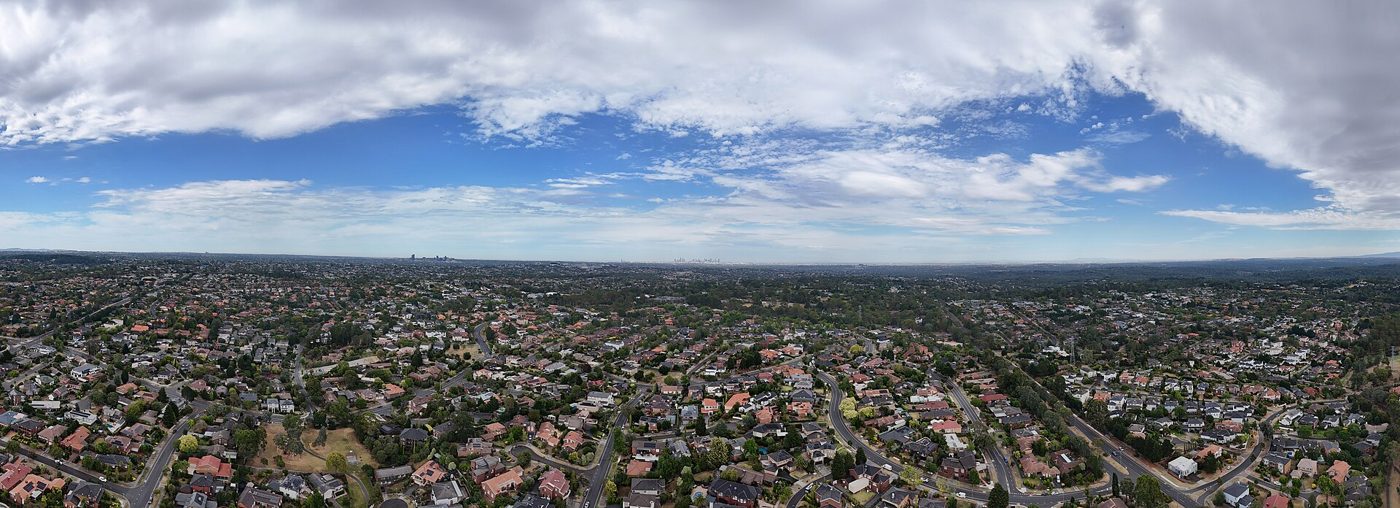
Home was a house in Glen Orchard Close, Templestowe, in the north-eastern suburbs, a long way from Lygon Street. He had bought it four months earlier, for two hundred and sixty-four thousand dollars, with a mortgage of two hundred thousand. It sat at the end of a dead-end road, on a sloping block that hid the ground floor from the street. He had four cameras watching the outside, and he had put them there to keep out the police rather than his enemies. He believed the police were listening to him, and men who came to see him on business were taken out into the back garden to talk. Not many of his associates had ever been inside. He kept his home and his work apart, and he told his de facto wife nothing about what he did. That Friday she had taken their two daughters to visit a relative in St Kilda.
He let himself into the empty house. He took off the grey suit and hung it over the banister, and went upstairs to sleep.
At a quarter to five he rang Dean Cole. He said he was tired and was going to have a nap. He promised to ring back later.
He never rang.
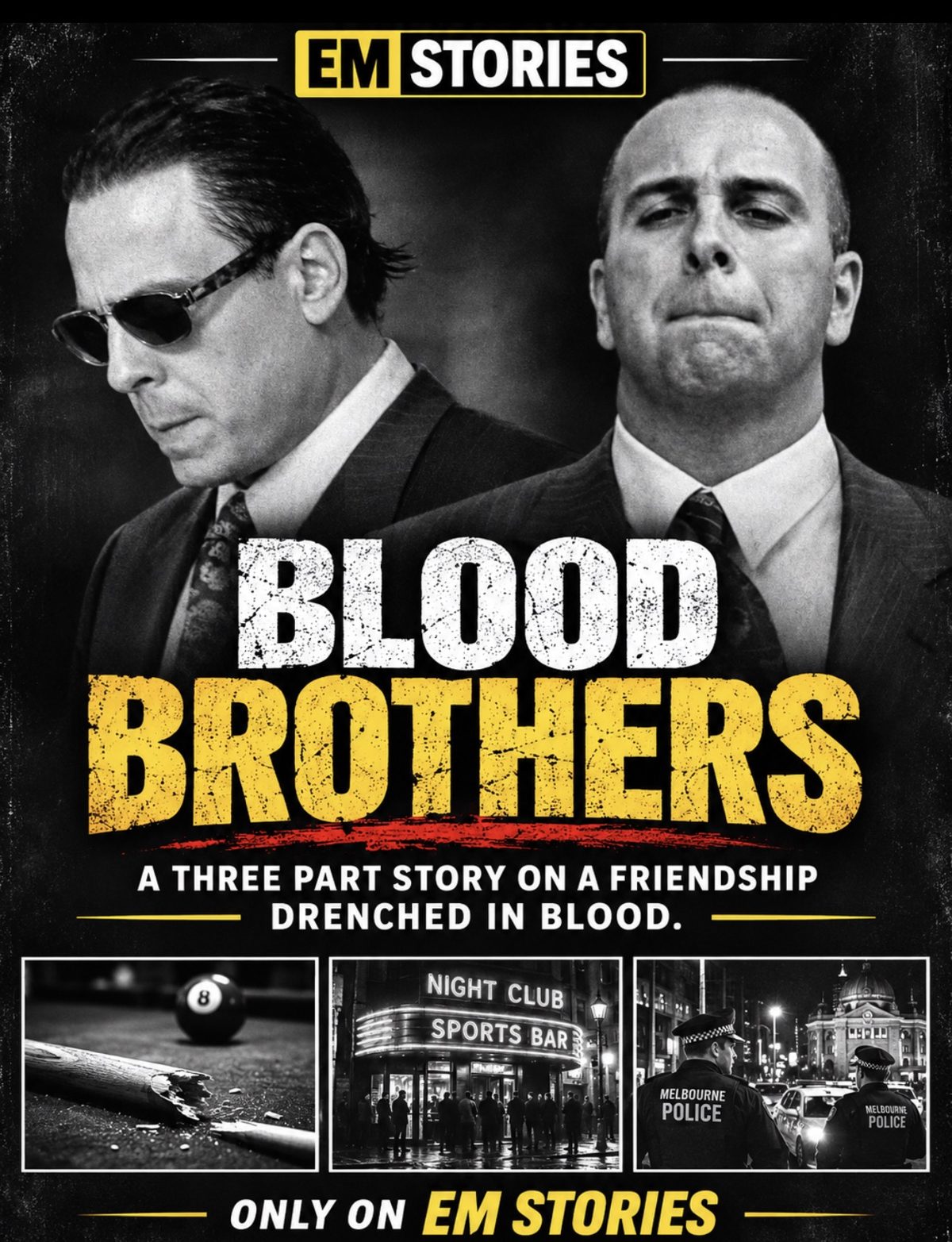
Blood Brothers is a three-part EM Stories exclusive. Part 2, The Black Prince, is coming soon.