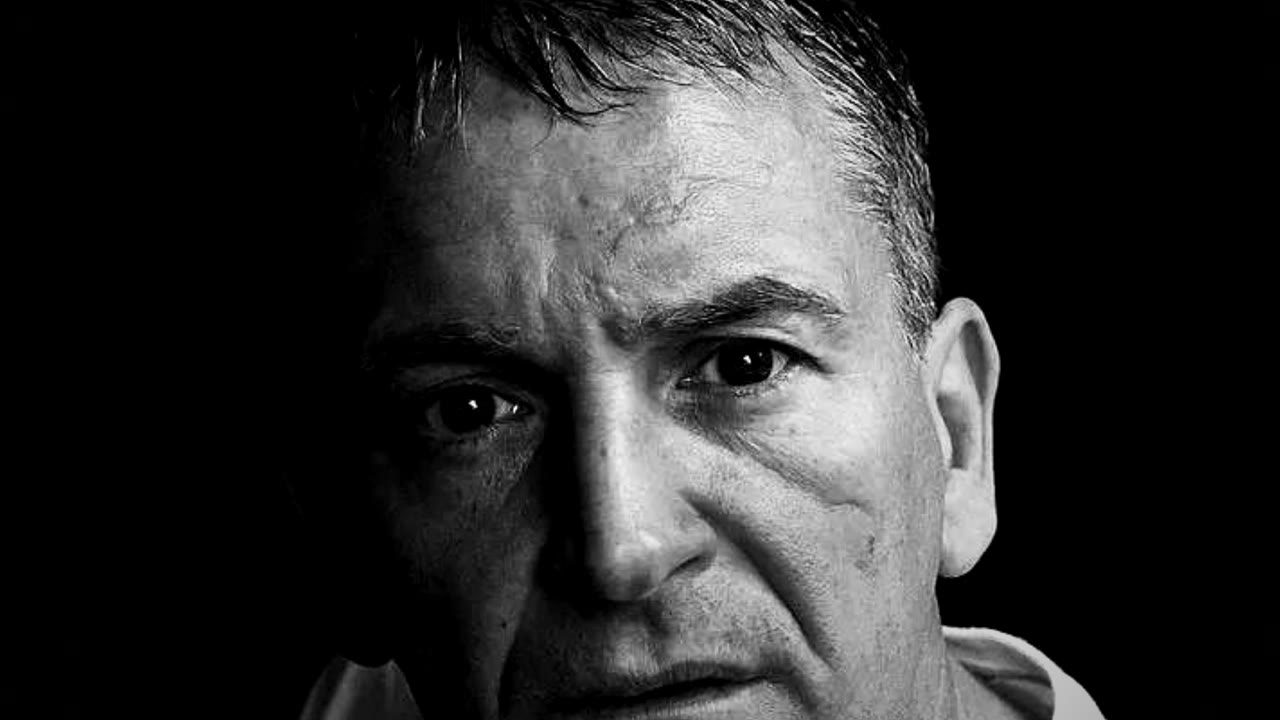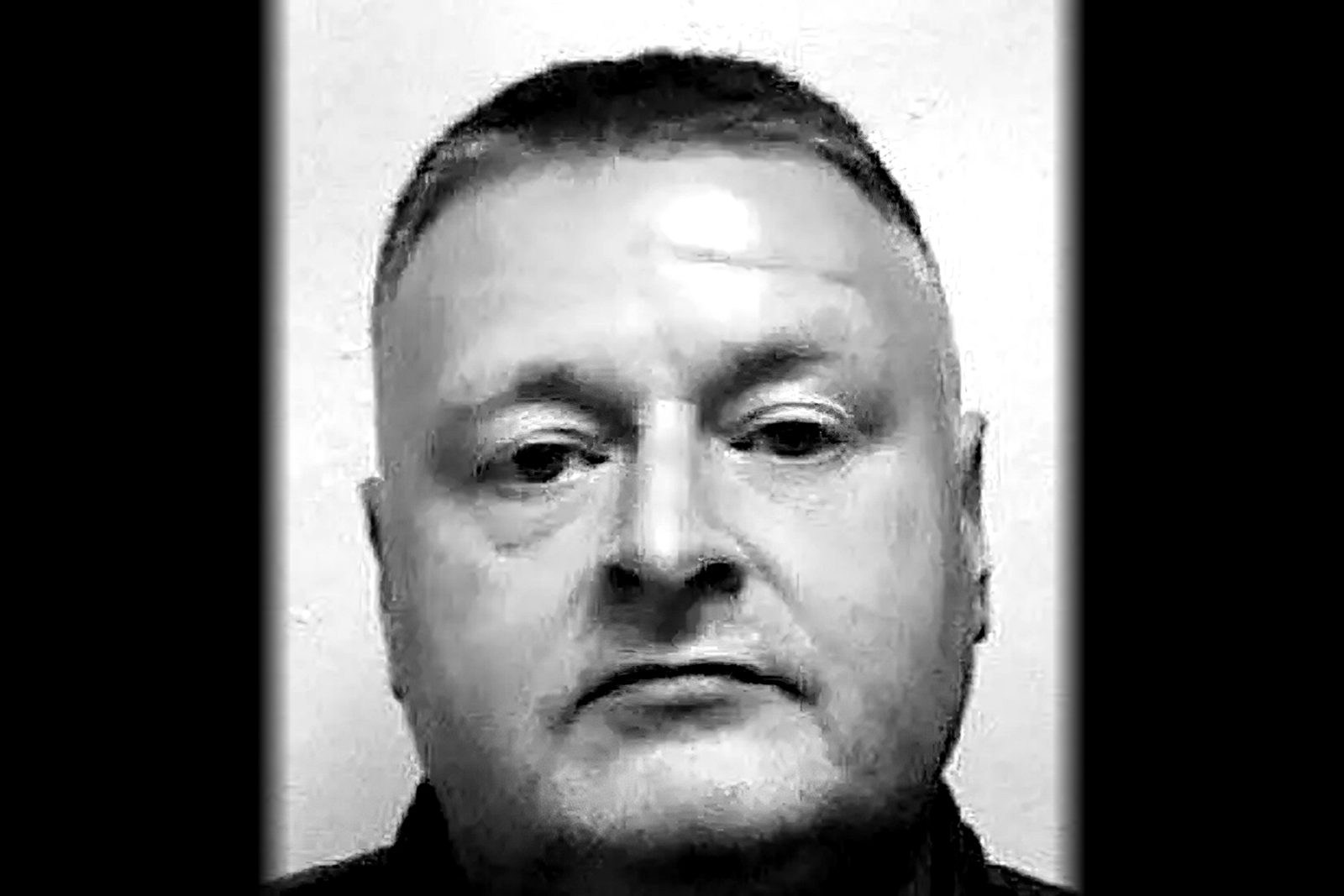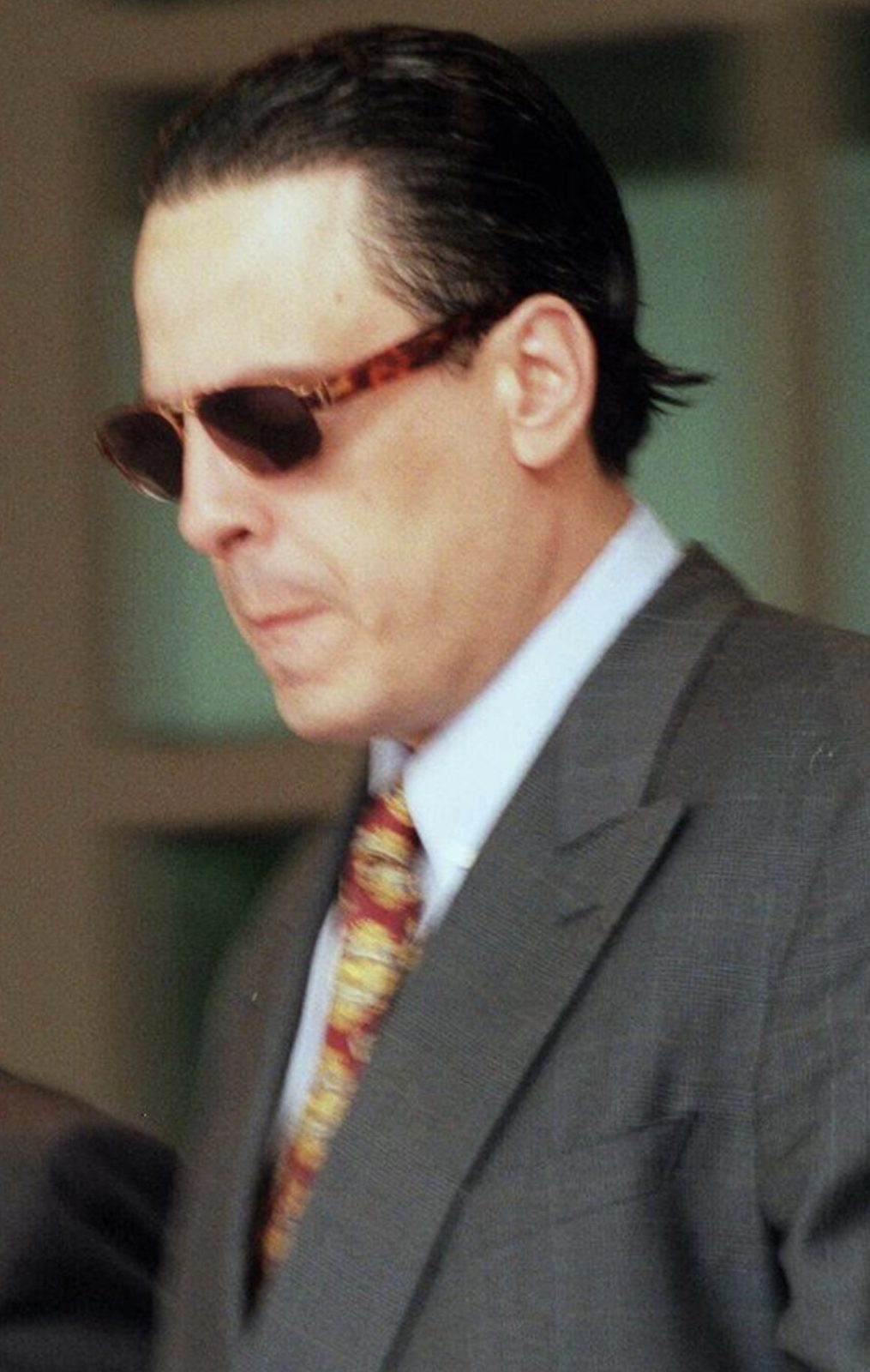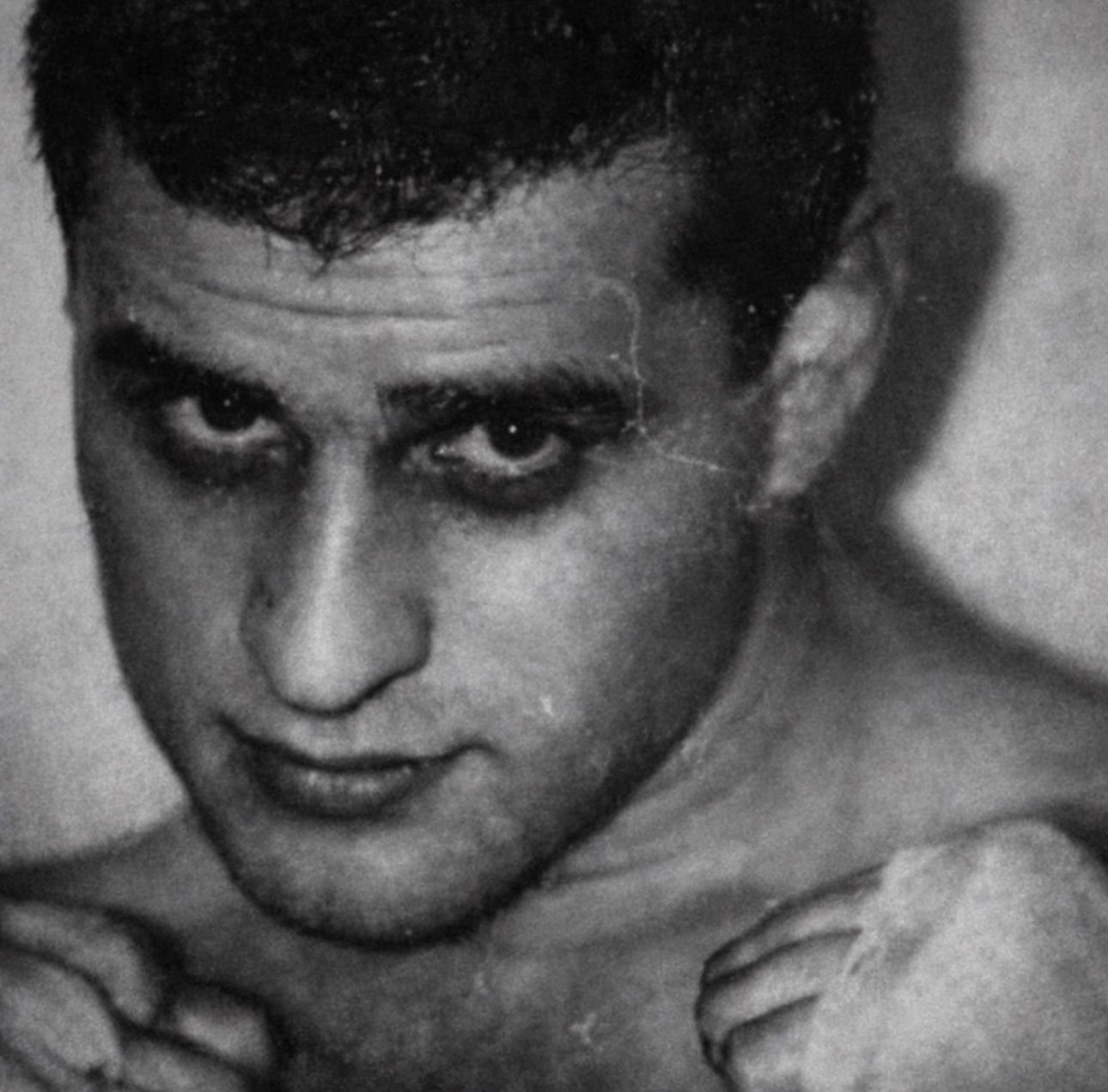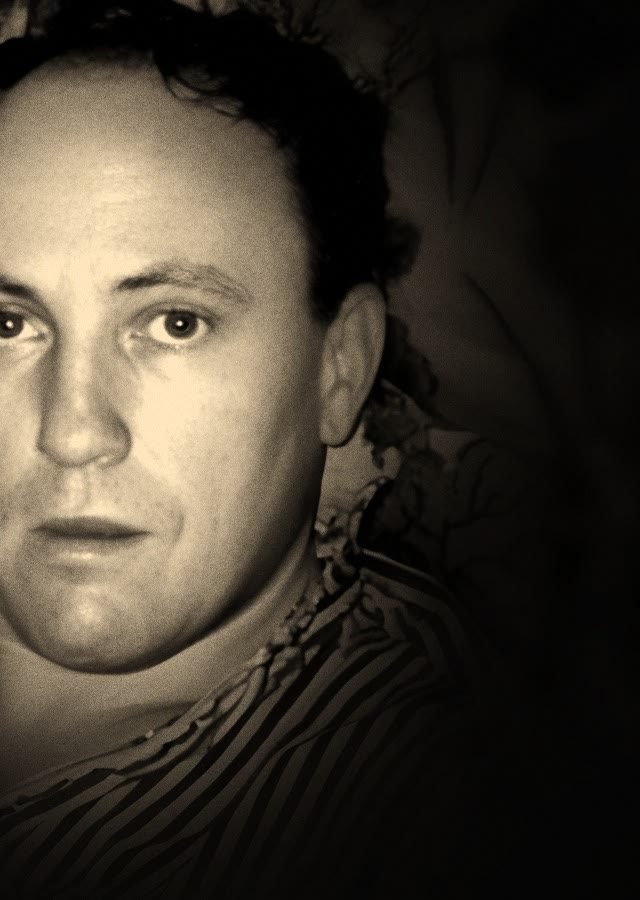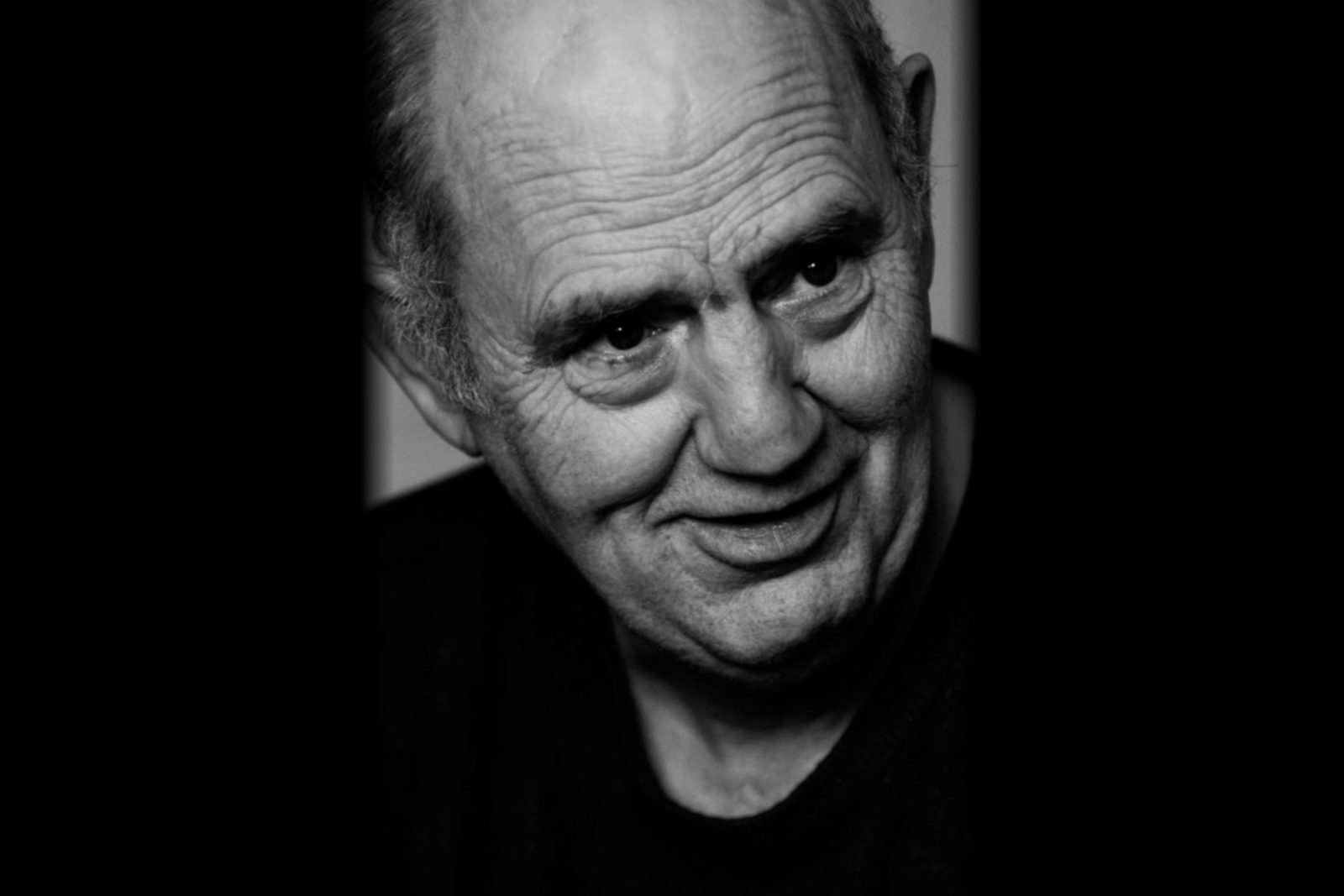
At about two o'clock on the morning of 16 April 1984, somebody climbed the stairs of a tenement in Ruchazie, in the East End of Glasgow, poured petrol at the door of the top-floor flat, and set it alight.
The Doyle family were asleep inside. So were three guests staying the night. The fire went through the flat in minutes. Five people died where they were. A sixth died later in hospital.
Three generations of one family were gone. The youngest, Mark, was eighteen months old.
Justice will never be done
Joe Steele, in his last interview
The man the fire was meant for was asleep in there too. He was Andrew Doyle, eighteen years old, and everyone called him Fat Boy. He drove an ice cream van.
1
The vans
In the Glasgow schemes of the early eighties, an ice cream van was not just an ice cream van. The new estates on the edge of the city had few shops, and the vans that toured them at night sold cigarettes, milk, bread and sweets to people who could not easily get anywhere else. A good run was worth real money.
Some of the vans sold other things too. According to later reporting, rival operators were using their routes to move stolen goods and heroin. The runs became territory, and territory was worth fighting for.
So they fought. Vans were rammed. Drivers were threatened. Men fired shotguns through each other's windscreens. The police unit sent to deal with it got a nickname from the Glasgow public that stuck for forty years. They called it the Serious Chimes Squad.
Andrew Doyle drove for the Marchetti firm. By most accounts he would not sell anything off the back of his van that was not meant to be there, and he would not give up his run. Not long before the fire, somebody fired a shotgun through his windscreen. He survived it.
Not long after that, the stairwell outside his family's door was on fire.
Timeline
- 1984Six of the Doyle family die in the fire
- 1984Campbell and Steele jailed for life
- 1989First appeal fails
- 1992William Love says he lied under oath
- 1993Steele glues himself to the Buckingham Palace railings
- 2004Both convictions quashed
- 2007Tam McGraw dies
- 2019TC Campbell found dead near Dunoon
2 · 1984
Six dead
The dead were his father James Doyle, who was fifty-three. Andrew himself. Two of his brothers, James and Tony. His sister, Christina Halleron, who was twenty-five. And her baby son, Mark.
Glasgow had seen plenty of violence. It had not seen anything like this. The police were under enormous pressure to bring somebody to court, and they did.
Police charged six men. Two of them were accused of the murders. Thomas Campbell, known as TC, was thirty-one. Joe Steele was twenty-two. Both said from the start that they had nothing to do with it.
3 · 1984
The evidence
The case against them rested on three things.
The first was a witness, William Love, who told the court he had been in a pub when he overheard Campbell, Steele and others planning to teach Fat Boy a lesson by setting fire to his door.
The second was a map. Police said they found an A to Z in Campbell's flat with the Doyles' address marked on it.
The third was a confession. Four police officers said that when Campbell was arrested, he told them: "I only wanted the van windaes shot up. The fire at Fat Boy's was only meant to be a frightener which went too far." Campbell always said he never said it.
After a trial that lasted twenty-seven days, the jury found both men guilty of the six murders. They were jailed for life, with a recommendation that they serve at least twenty years. Campbell got another ten years for the earlier shotgun attack on Andrew Doyle's van.
4 · 2004
Twenty years of saying no
Neither man ever stopped saying he was innocent, and neither of them did it quietly.
Joe Steele escaped from prison to draw attention to the case. In 1993, while he was out, he superglued himself to the railings outside Buckingham Palace. TC Campbell went on hunger strike in Barlinnie. The first appeal failed in 1989.
Then, in 1992, the case started to come apart. William Love, the man who said he heard the plot in the pub, said he had lied under oath. He said he had done it for "my own selfish purposes", and that he had been under pressure from the police.
In 1997 the two men were let out on interim liberation while a second appeal was heard. In February 1998 the judges split, and they went back to prison. In December 2001, after the Scottish Criminal Cases Review Commission sent the case back to the Appeal Court a third time, they were released again.
The third appeal heard from an expert on memory, Professor Brian Clifford. He told the court that the four officers' notes of Campbell's confession were too exact to be believed. All four recorded the same twenty-four words. In his research, he said, people remembered only thirty to forty per cent of what they heard.
On 17 March 2004, the Court of Criminal Appeal in Edinburgh quashed the convictions of Thomas Campbell and Joseph Steele. The judges pointed to the new evidence and to a significant misdirection of the jury at the original trial. Twenty years after the fire, both men were cleared.
The original trial judge, Lord Kincraig, was not happy. He said the appeal court had decided a question of fact that belonged to the jury. In law, it made no difference. Campbell and Steele were innocent men.
 Rather watch it?The film is on Gangland & True Crime Docs.Watch →
5
Who did it?
That left the question that has hung over the East End ever since. If they did not set the fire, who did?
Nobody else has ever been convicted of the Doyle murders.
Joe Steele has been clear about who he believes was behind it. He has named Tam McGraw, the Glasgow crime figure known as the Licensee, who built a fortune out of the same East End streets. According to Steele, the fire was meant as a frightener, to take the Doyles' van run. It is the one thing both sides of the story agree on. The police said Campbell called it a frightener that went too far. Steele says it was a frightener too. He just says it was somebody else's. McGraw was arrested as a suspect at the time of the original inquiry, according to a book about the case. He was never charged. He died in 2007, and he never answered the allegation in a court.
In his last interview, Steele said the police had never been interested in looking for anyone else. In his words, they "fitted up" two men and closed the book. Steele got £750,000 in compensation. He called it blood money, and said it was long gone. Neither man, he said, ever got an apology.
TC Campbell was found dead at his home near Dunoon in 2019. He was sixty-six. A BBC documentary series made after his death, The Ice Cream Wars, questioned whether he was innocent at all. His conviction stays quashed.
Steele, giving what he called his last interview the year Campbell died, said he and Campbell had made their peace a few months earlier. He did not expect anyone to answer for the Doyles. "Justice will never be done," he said. Not, he said, "in my lifetime".
Six people died in that flat in Ruchazie. The two men who served twenty years for it were cleared. Forty years on, nobody has been convicted of setting the fire.
The full story of Glasgow's gangland is in our boxset on Gangland.