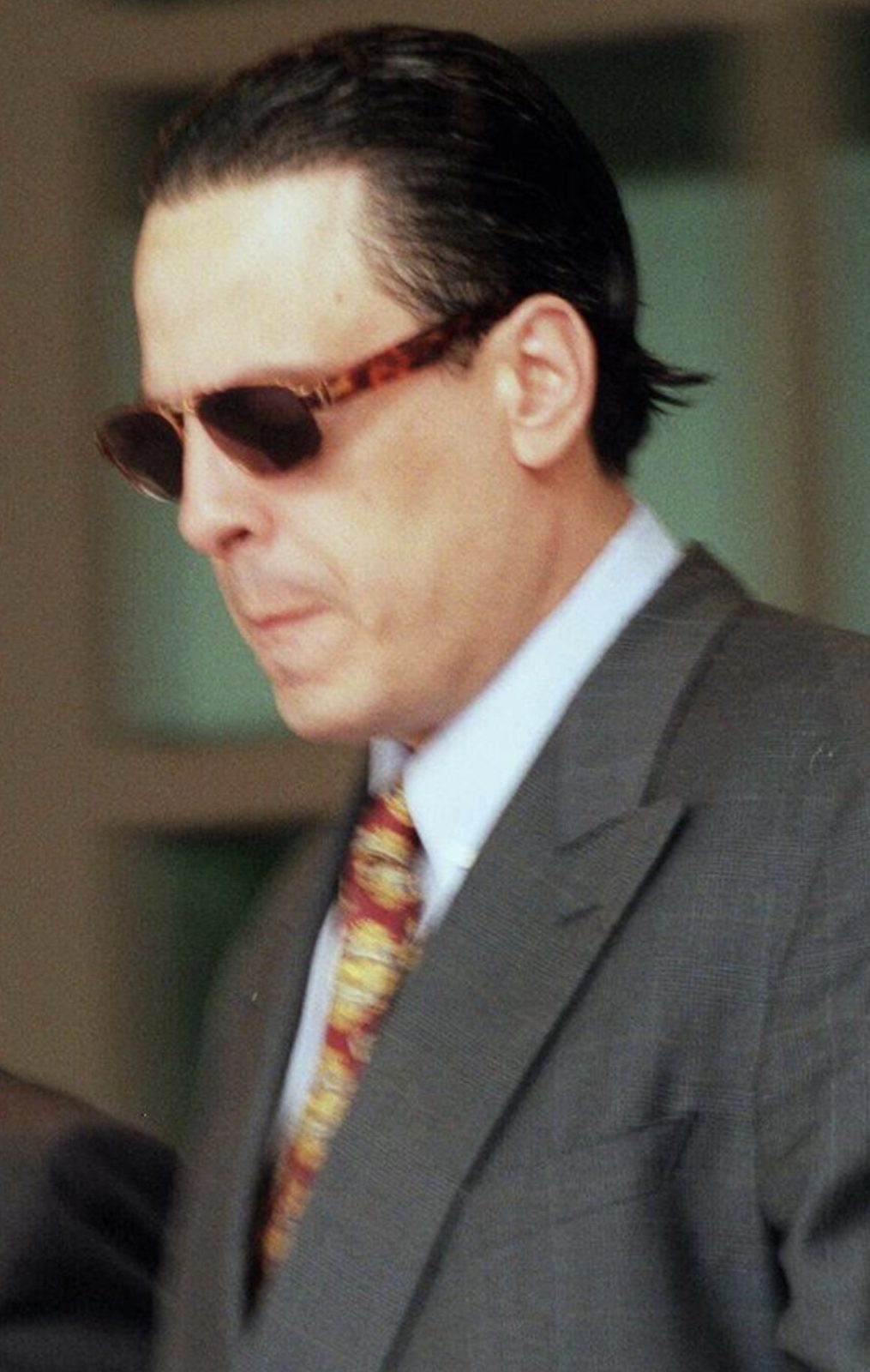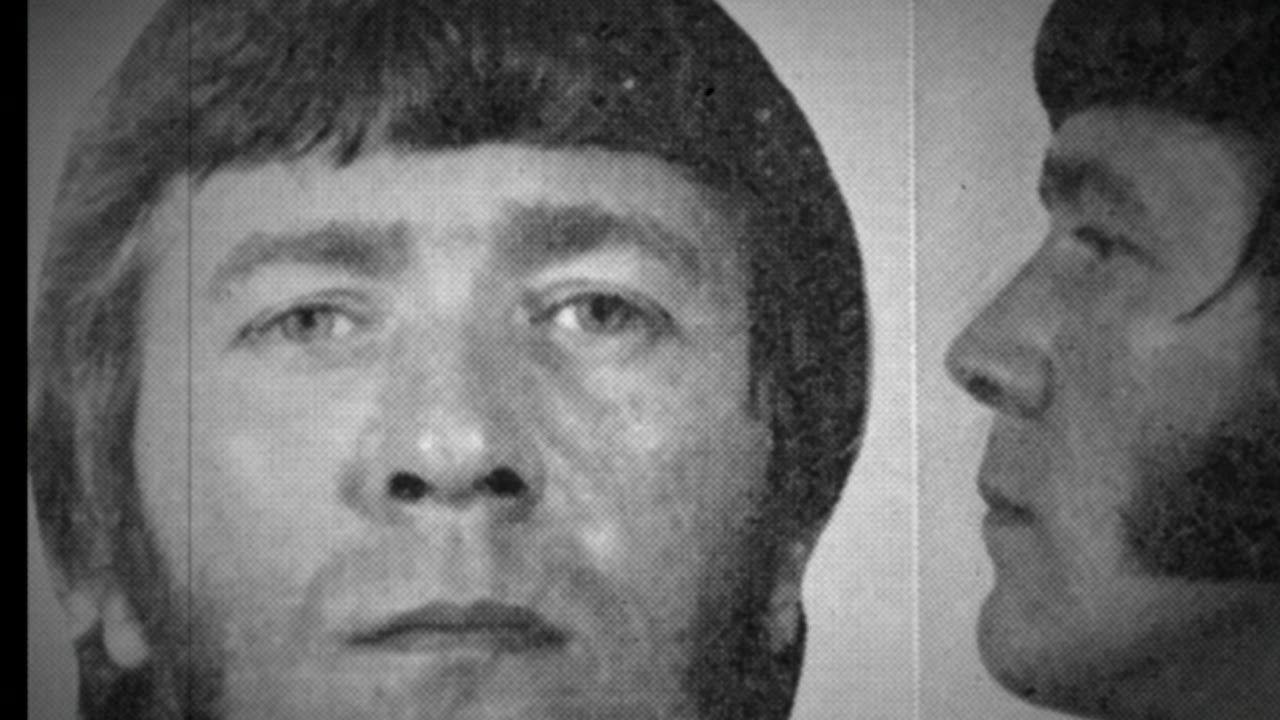
On 9 May 1985, the most feared contract killer in Sydney went downstairs to his car, and it would not start.
Christopher Dale Flannery had a meeting to get to. His boss had asked for it. Flannery rang him and explained the car, and the boss told him to take a taxi. So Mr Rent-a-Kill, a man the police suspected of a dozen murders, left his building near police headquarters in the middle of the city and walked out onto Liverpool Street. He has not been seen since.
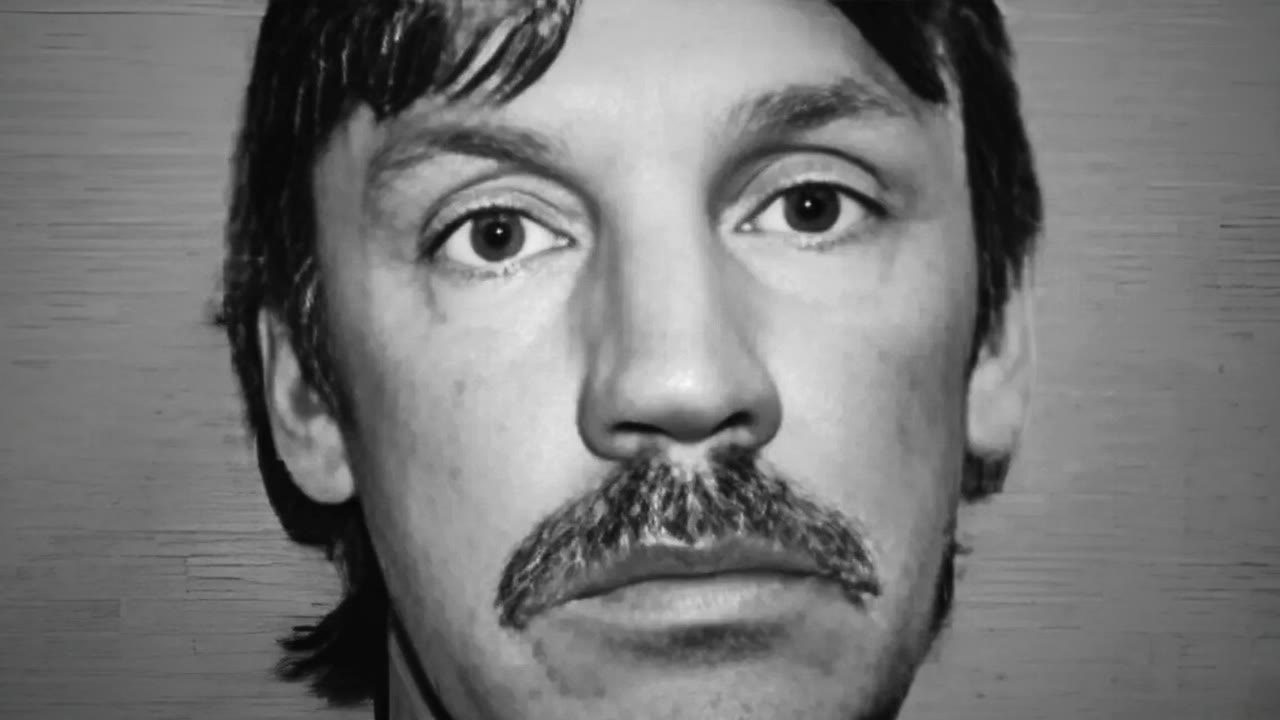
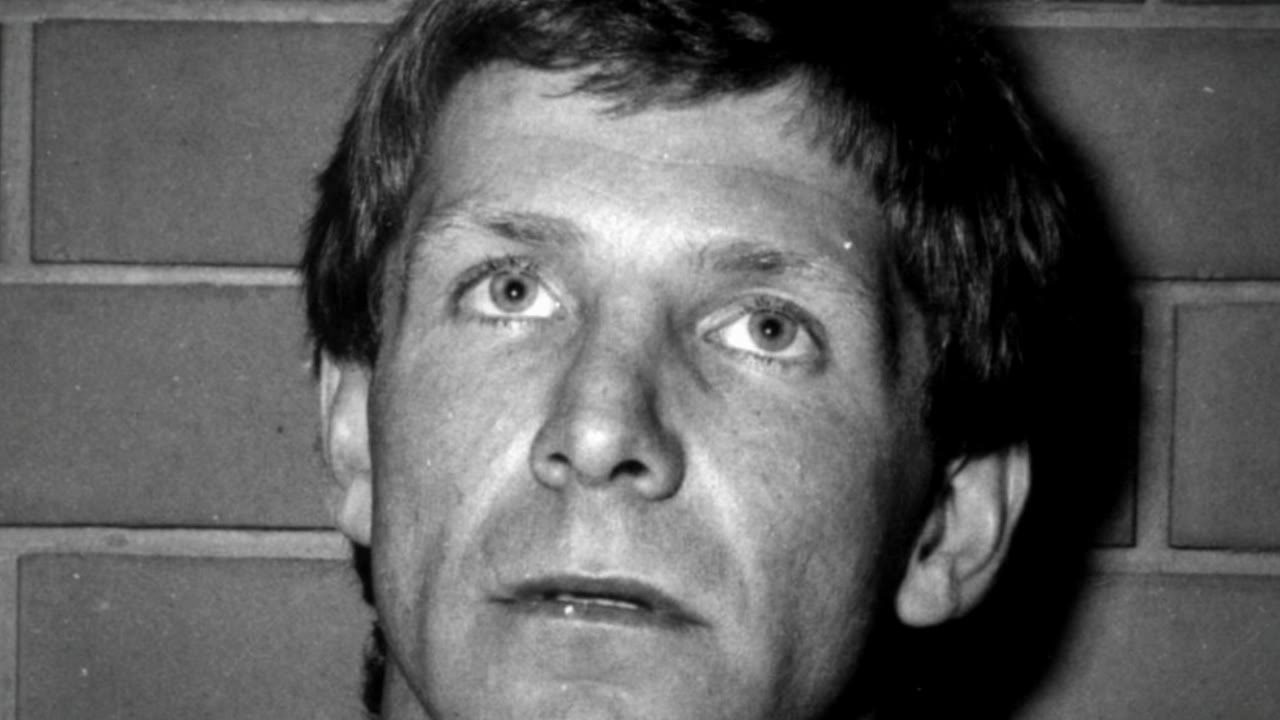
Fifteen weeks later, back in Melbourne, another hitman from Melbourne drove off in a silver Volvo and was never seen again either.
Every close friend or associate of my father's has been murdered
Lauren Prendergast, Coroners Court of Victoria, 2021
1 · 1948
Rent-a-Kill
Flannery was born in 1948 in Brunswick, in Melbourne's inner north. He left school at fourteen and was convicted of his first offence the same year. At seventeen he got seven years, for a list of crimes that included housebreaking, car theft, assault on police, carrying firearms and rape.
When he came out, he went into the business that made his name. In 1980 he and two other men were charged with the murder of a Melbourne barrister, Roger Wilson, whose body was never found. All three were acquitted in October 1981. As Flannery left court, detectives from New South Wales were waiting to charge him with the 1979 murder of a Sydney brothel keeper, Ray Locksley. The first jury could not agree. He avoided his retrial in 1984 with a medical certificate from a doctor who was later convicted of perverting the course of justice, and he was in the end acquitted.
In the newspapers, he was Mr Rent-a-Kill. He was never convicted of a killing.
Timeline
- 1948Flannery born in Brunswick
- 1981Flannery acquitted of Roger Wilson's murder
- Jan 1985Flannery's house sprayed with rifle fire
- 9 May 1985Flannery vanishes on Liverpool Street
- 23 Aug 1985Prendergast vanishes in Warrandyte
- 1997Coroner finds Flannery was murdered
- 2021Coroner finds Prendergast died
2 · 1984
Sydney
By then Flannery had moved north. Sydney in the early 1980s had a settled underworld. George Freeman ran the illegal gambling. Arthur "Neddy" Smith ran a heroin business with, he later claimed, the protection of crooked detectives. Flannery went to work as Freeman's bodyguard and fell in with Smith.
Graham Henry, a Sydney standover man who later told his story on camera, says friends warned him not to trust the new man from Melbourne. Henry says that Flannery and Smith later set him up at a meeting to collect money, that he went in armed, and that he had a gun between Flannery's eyes when a barmaid walked in. He let it go. That is Henry's account. Nobody else has ever told it.
What is on the record is that the city got more dangerous after Flannery arrived. On 6 June 1984 Michael Drury, an undercover drug detective, was shot through his kitchen window at home and survived. Flannery was alleged to be the gunman. A heroin dealer, Alan Williams, later gave evidence that he had offered money to Flannery and to Detective Sergeant Roger Rogerson to kill Drury. Rogerson was tried for the attempted murder and acquitted. Flannery never stood trial for it.
By the end of 1984 Sydney was in a gang war, and Flannery was in the middle of it.
3 · 1985
The bullets
On 27 January 1985 somebody sprayed Flannery's house with rifle fire. He was hit in the hand. A rival standover man was later convicted of the attempted murder of Flannery and his family, and the High Court quashed the conviction.
Three months later, in April, a Sydney criminal called Tony "Spaghetti" Eustace was shot six times outside a hotel in North Arncliffe. He died in hospital without telling the police anything. Flannery was alleged to have been sent to kill him.
After the house was shot up, Flannery moved his wife and children into a high-rise apartment in the city, in a building called the Connaught, a short walk from police headquarters. It was a sensible choice for a man who was being hunted. It was a less sensible choice for a man who was starting to frighten the police.
The word on the street, then and later, was that his own side had had enough of him. He was a gunman who did not stop when he was told to, and he was costing everybody money.
4 · 1985
Liverpool Street
On 9 May 1985 George Freeman rang and asked for a meeting. The car would not start. Freeman told him to take a cab. Flannery came out of the Connaught onto Liverpool Street and disappeared. One report said he left carrying his passport and his .38 pistol.
His wife Kathleen believed crooked police took him. Neddy Smith later said the same thing, in a different way. He claimed that on the day Flannery vanished he saw him getting into a police car driven by officers Smith knew. Smith was a convicted killer and a professional liar, and he said a great many things.
The coroner's inquest into Flannery's fate ran for more than two and a half years and heard evidence from what one reporter called the "Who's Who of Sydney crime". Kathleen Flannery, whom the inquest heard was "the brains behind her husband", gave evidence and could remember very little. "Oh gee, oh gosh. I really can't remember," she told the court, more than once.
On 6 June 1997 the New South Wales coroner, Greg Glass, found that Flannery had been murdered, most probably on or about 9 May 1985. He said the key to solving the murder lay with Roger Rogerson.
Rogerson was by then long out of the police. He denied any part in it. In 2004 he gave his verdict on the missing man to the Seven Network's Sunday programme. "He didn't want to do as he was told, he was out of control, and having overstepped that line, well, I suppose they said he had to go," he said. "But I can assure you I had nothing to do with it."
Rogerson was later convicted of a different murder, of a young man in 2014, and died in prison. Neddy Smith died in 2021. Freeman died in 1990. Nobody has ever been charged over Christopher Flannery.
5 · 1985
Warrandyte
Laurie Prendergast was the other kind of hitman. Where Flannery was loud, Prendergast was quiet, and where Flannery collected headlines, Prendergast mostly collected acquittals.
He came out of the world of Melbourne's armed robbers. He was a suspect in the Great Bookie Robbery of 1976, and no charges were ever laid. He was tried for the 1978 shooting of Les Kane, one half of the feared Kane brothers, and he was acquitted. Police suspected him of trading contracts with Flannery. They never proved that either.
By the winter of 1985, with Flannery gone, Prendergast was living like a man who knew he was next. He slept with a gun under his pillow.
At about two o'clock on the afternoon of 23 August 1985, Prendergast was seen driving his silver 1982 Volvo along Brogil Road in Warrandyte, on the bush edge of Melbourne's outer east. His wife Ursula reported him missing two days later. The Volvo turned up parked and locked in Heidelberg. He was thirty-five, and there was no sign of him in it.
In 1990 a coroner looked at the case and would not declare him dead. The coroner said Prendergast had a "strong incentive to disappear", and that he was as likely to be alive as dead. His family waited another thirty years.
In 2021 his daughter Lauren went back to the Coroners Court of Victoria and asked it to say what the family had always believed. "Every close friend or associate of my father's has been murdered," she told the court. She said he had died "a million deaths in my mind". On 17 December 2021 the coroner, Caitlin English, found that he had died on or after 23 August 1985. The cause of death was recorded as unascertained, a suspected homicide.
Nobody has ever been charged with killing Laurie Prendergast.
 Rather watch it?The film is on Gangland & True Crime Docs.Watch →
6
Two empty graves
So two of the most dangerous men in Australia walked out of their lives in the same year, one from a city street outside a luxury apartment block and one from a quiet road in the Melbourne bush. Both had guns on them or within reach. Neither body has ever been found.
The theories on Flannery alone would fill a book. He went into the water in a cage. He went into cement shoes, or a tree chipper. He was shot by police, by the men who paid him, or by somebody nobody has ever named. Prendergast's daughter just wanted a Catholic funeral.
In our film on Gangland we follow both men to the day they vanished.