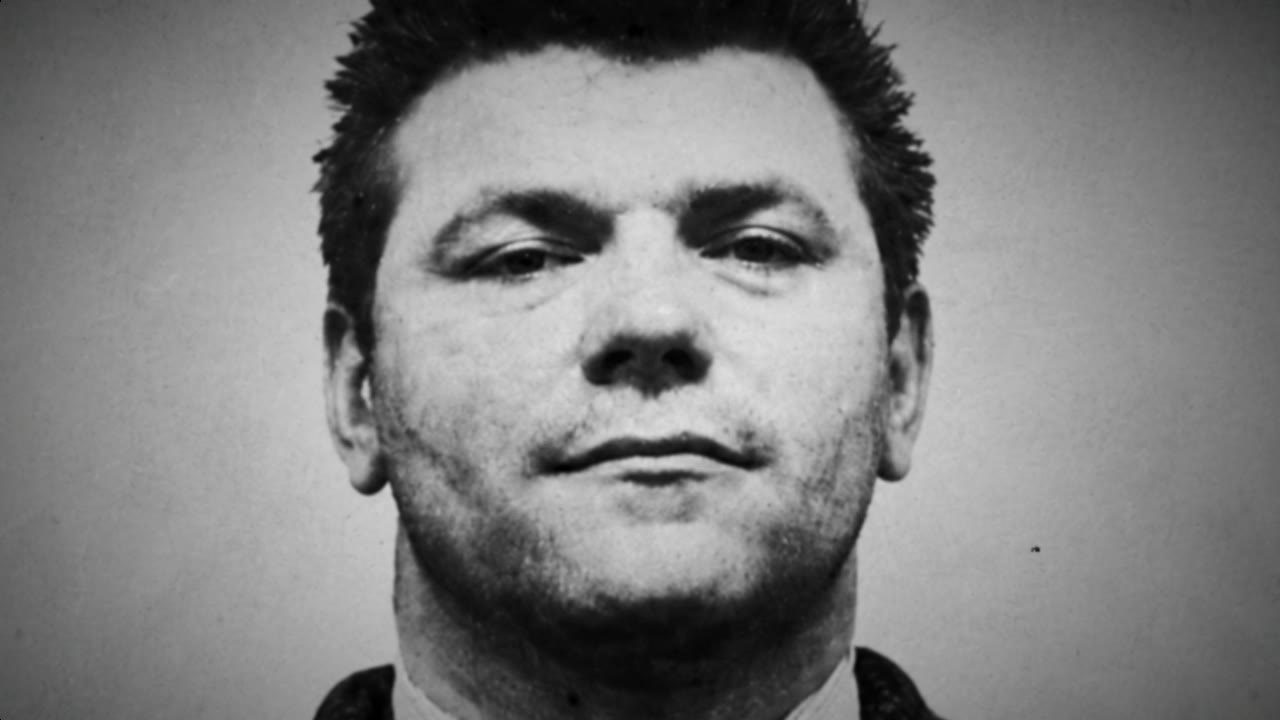
A man of fifty-two stood outside a wall of glass in his vest, with ten men behind him making gun signs and drawing their fingers across their throats.
Inside, the doormen of Hollywoods had their orders. The management had come down and told them that under no circumstances were they to go out. Any man who opened that door was sacked.
The man outside was Roy Shaw. A few minutes later the youngest doorman in the club reached up and pulled back the bolt.
whose hammer is this, Roy?
A police officer in the Hollywoods car park, as Roy Shaw told it
1 · 1988
The Guv'nor at fifty-two
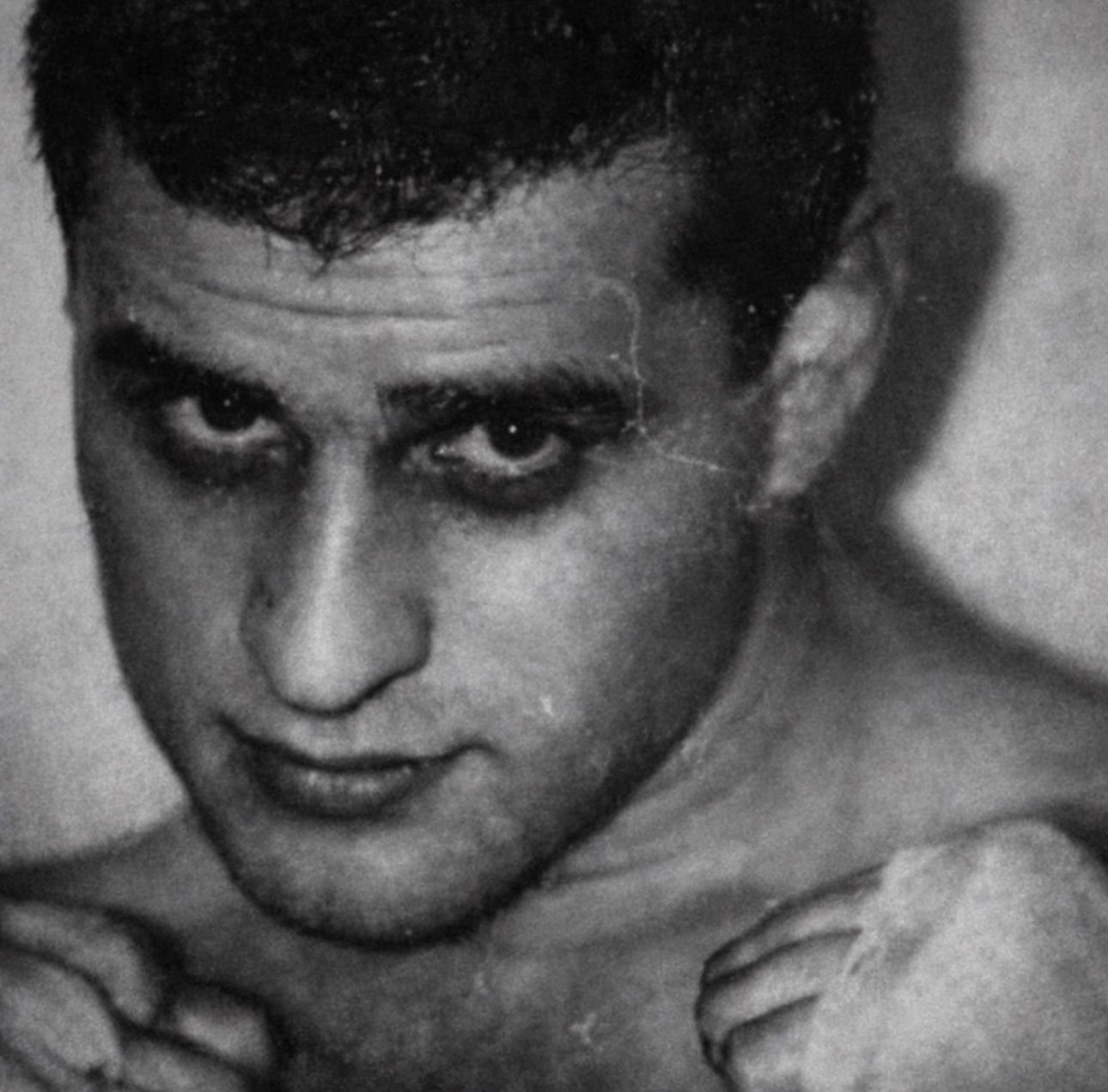
By 1988 everyone in Essex knew the name. Shaw had been born in Stepney in 1936. He had done eighteen years for a 1963 armoured-van robbery, been certified insane and sent to Broadmoor, and come out to fight on the unlicensed circuit. In December 1975, in a big top at Windsor, he knocked out Donny Adams in the first round and became the Guv'nor. He had fought Lenny McLean three times. He had put his money into land, and the land had made him a millionaire.
He told people he had not had a fight in years. The police in Romford did not believe it. They went round the town's clubs with a warning about him, and one of those clubs had only just opened.
Timeline
- 1936Roy Shaw born in Stepney
- 1975Beats Donny Adams to become the Guv'nor
- 1988Hollywoods opens in Romford
- 1988The fight at the glass doors
- 1988Kelly's crew walks into the Brewery Tap
- 2012Roy Shaw dies
2 · 1988
Opening night
Two brothers from Essex had spent five million pounds on Hollywoods, and they meant it to take ninety thousand a week. They wanted dinner jackets on the door, a grand piano in the VIP bar and waitresses in bunny outfits.
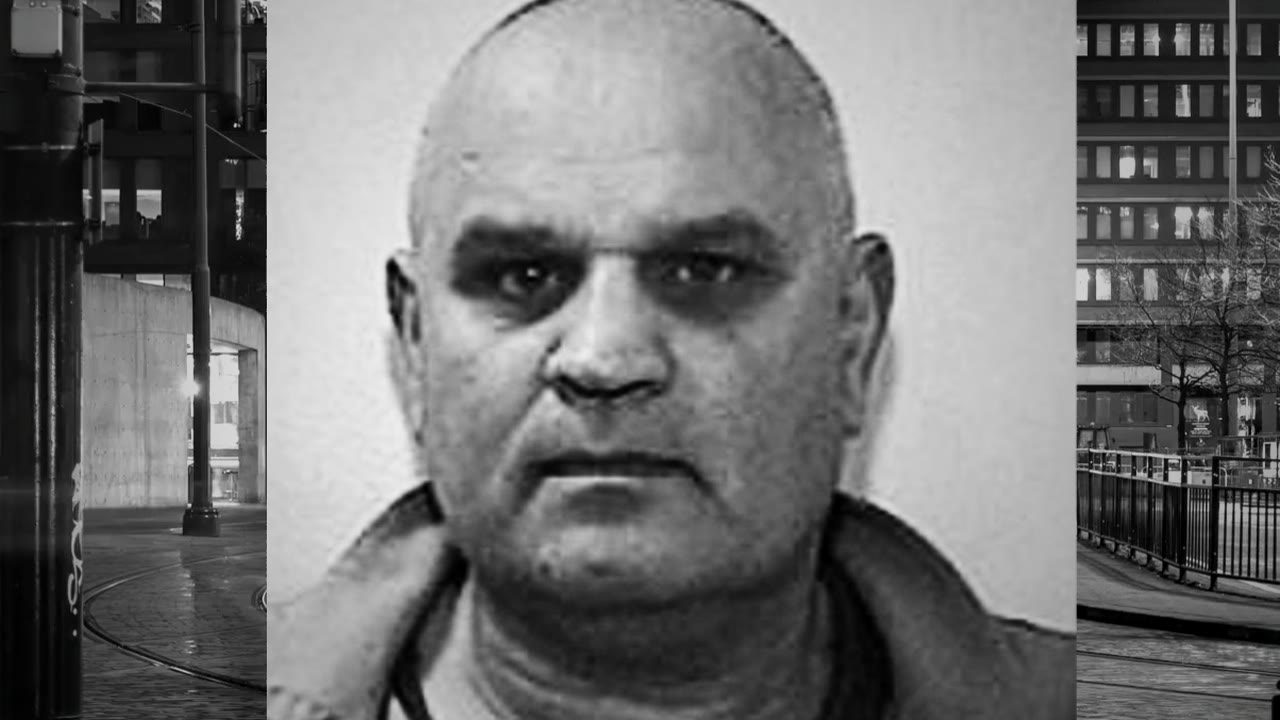
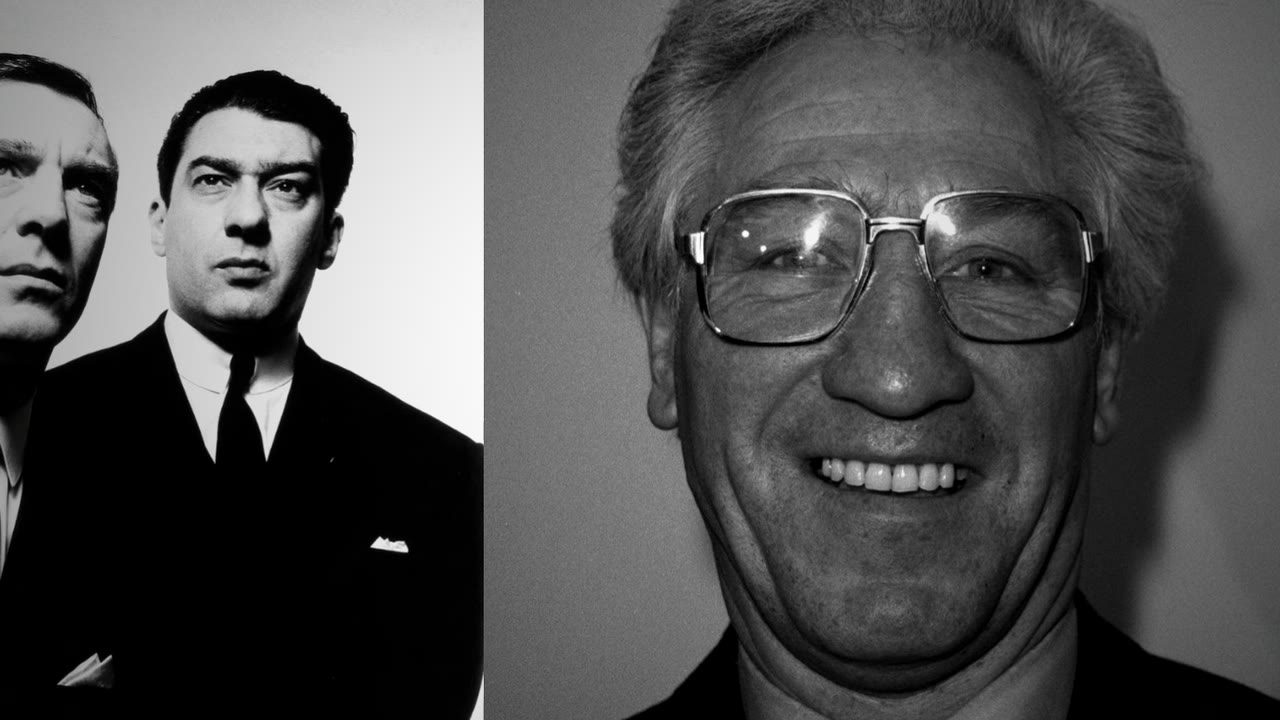
Mick Kelly had come over from Ireland to work on the building sites, and found the doors paid better. He had stood beside Lenny McLean in the West End. When his manager took the top job at Hollywoods, Kelly came with him. The security firm had brought in men from deep Essex, strangers to Romford, and Kelly is plain about why. They were there "to deal with the locals, and Roy Shaw."
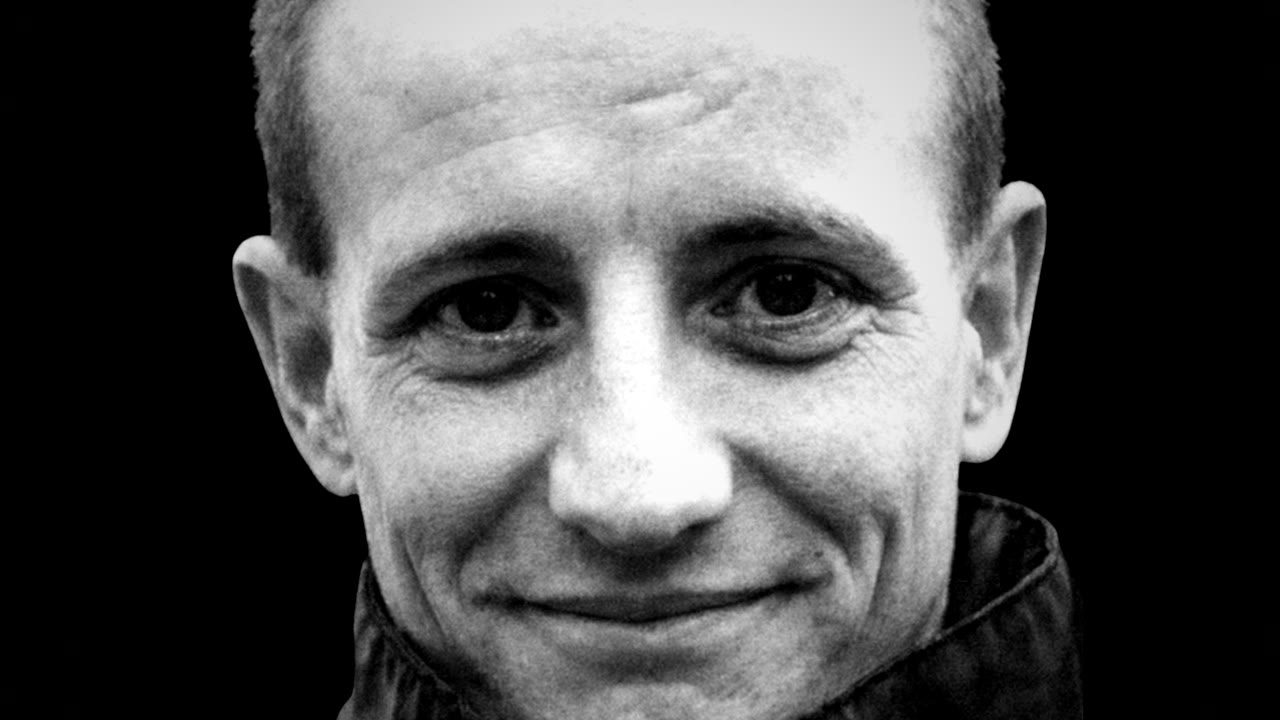
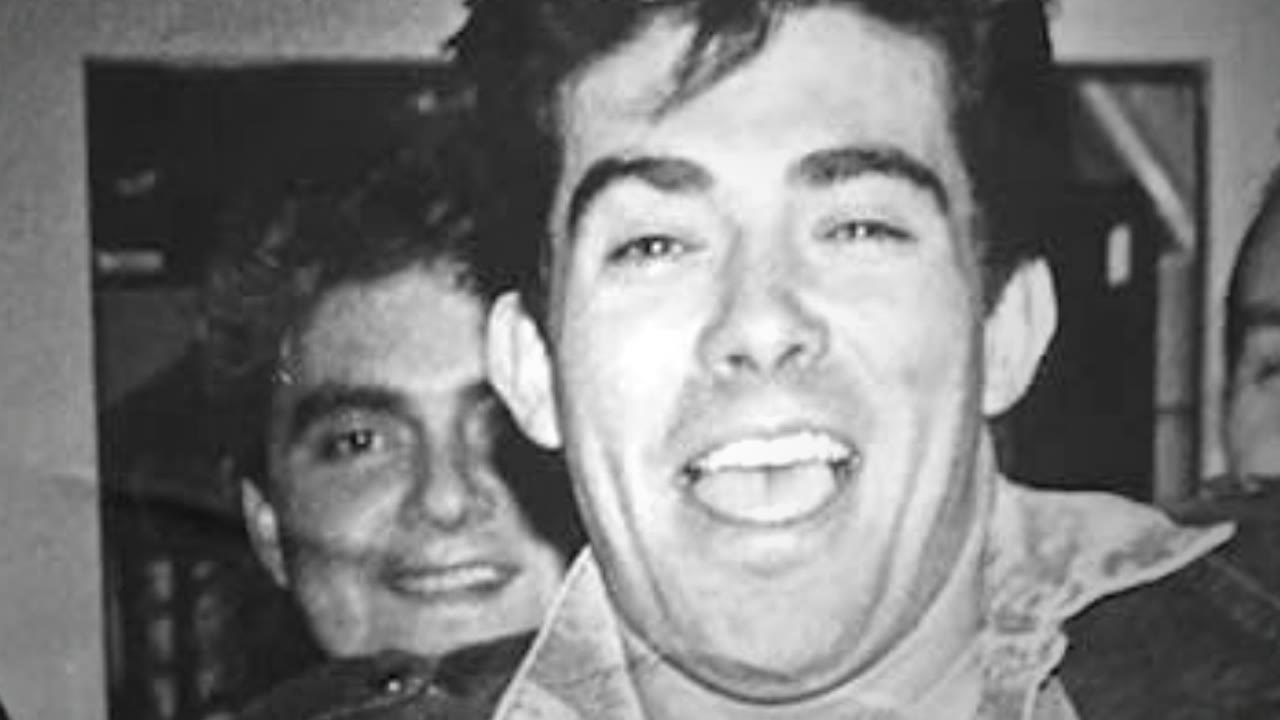
Tony Tucker was on that door, years before the Range Rover at Rettendon. So was a doorman in his early twenties called Lee Chapman. Kelly says he never worked with anyone close to him, Lenny McLean included. Chapman was twenty-four stone at the age of twenty-two.
On the opening night none of them knew Shaw's face. He came in with an Irish friend and was sent up to the VIP bar, where people queued to have their picture taken with him. At the end of the night a doorman tapped him on the shoulder and told him to drink up. Kelly says Shaw stood up with his glass in his hand. The management panicked, because the last thing they wanted was a fight beside the grand piano on the first night. Kelly asked Shaw to leave quietly, and he did.
He was barred from that night on. Shaw remembered being made welcome.
3 · 1988
The glass doors
The following Friday he came back. He had about ten men with him, car dealers most of them, flash with their money. One of them had already told Kelly what he thought of a doorman's wages. "My watch is worth more than you earn all year," he said. Kelly admits he was telling the truth.
The front of Hollywoods was a wall of glass doors, bolted top and bottom. The door locked them and stayed inside. That was normal practice, and Kelly is clear that the trouble that night came from the men around Shaw rather than from Shaw himself. "It wasn't even his fault, it was his sidekicks," he says.
They hammered on the glass. They made the gun signs and the throat signs. Shaw took his shirt off. Chapman remembers it. "He had a vest on, and the first thing I noticed was his arms."
The management repeated the order. One big doorman who had insisted on working the front door went upstairs and did not come back down. He knew Shaw, he said, and Shaw knew him, and he wanted no part of it.
Chapman came down the stairs the other way. He looked at the rest of the door, reached up and slid the bolt. Kelly says that look was enough. The door piled out after him, and Chapman got to Shaw first. In Kelly's words, "Lee hit him clean, lifted him up in the air and came down on top of him."
The rest of the door went into the men behind him. One of them tried to escape under a bus. Across the road, three police vans sat and watched it happen. Then, Kelly says, they "just turned and drove off".
Chapman dragged Shaw across the car park and threw him into the flower beds. They turned out to be rose bushes, and the manager complained about his roses. After that, Chapman says, they called him Lee the Rose Basher.
Ambulances took away the wounded. Upstairs, the manager got the beers in, and the door sat round going over who had done what and who had fallen on his backside where. Kelly says the night knitted them together.
4 · 1988
Half past four
Roy Shaw told the next part himself, years later, on camera.
He let himself out of hospital. "So I went home and got a hammer," he said. He came back to the Hollywoods car park and waited by the dustbins for the doormen to come out.
They had gone home an hour or more before. The police had not. A patrol car came round the car park and stopped with Shaw in its lights. One of the officers had found something on the ground. As Shaw told it, the officer held it up. "Whose hammer is this, Roy?"
"Where did you find that?" said Shaw.
"Over there."
"I'm over here."
They let him go. Four days later he was back at the club, and the door called the police again. Then he went looking for one of the doormen at home in Southend, the one he called the big fat one who tried to nut him. He sat waiting at two, three and four in the morning, and worried that he would end up nicked with a lump of iron on him. Chapman, told he has been called fat, has his answer ready. "I've got abs."
Not long after, a young woman walked up to Chapman inside Hollywoods and asked if he knew who she was. She was Shaw's daughter. She told him she had sewn her dad up and patched him up that night.
For months, Chapman says, Shaw would turn up across the road early in the evening, before the doors opened, with a pen and paper. He told Chapman he was taking his car number. "I come by bus," said Chapman.
 Rather watch it?The film is on Gangland & True Crime Docs.Watch →
5 · 1988
The Brewery Tap
In the town, police officers stopped Chapman in the street to shake his hand. In the East End the talk was different. Shaw's friends would not let it lie, people warned the door, and a crowd was coming for them.
Mick Kelly decided not to wait. On a weekday evening at about six o'clock, by his account, he took around twenty-five men, Irish friends and doormen he knew from North London, to the Brewery Tap in Barking, the best-known villains' pub in that part of East London. They locked the doors behind them and went round the bar shouting Roy Shaw's name. Then they left. Nobody ever came to Hollywoods.
Kelly's story has a last turn. Later that year a girl on holiday walked into Hollywoods, and he married her. Her aunt's partner was an old boxer from Canning Town who liked to throw a party, and one of his parties was at the Brewery Tap. Kelly walked in to find Roy Shaw and his son among the guests. The host was one of Shaw's best friends.
Shaw never told the night the way the door told it. In his version a crowd of doormen set on him and ran back behind their glass. Kelly does not pretend it was a fair fight, and he is fair to the man. "Roy Shaw was a businessman from start to finish," he says.
Roy Shaw died in July 2012, aged seventy-six. At fifty-two he lost to a doorman less than half his age, and was back before dawn with a hammer. The full story is in our film on Gangland.