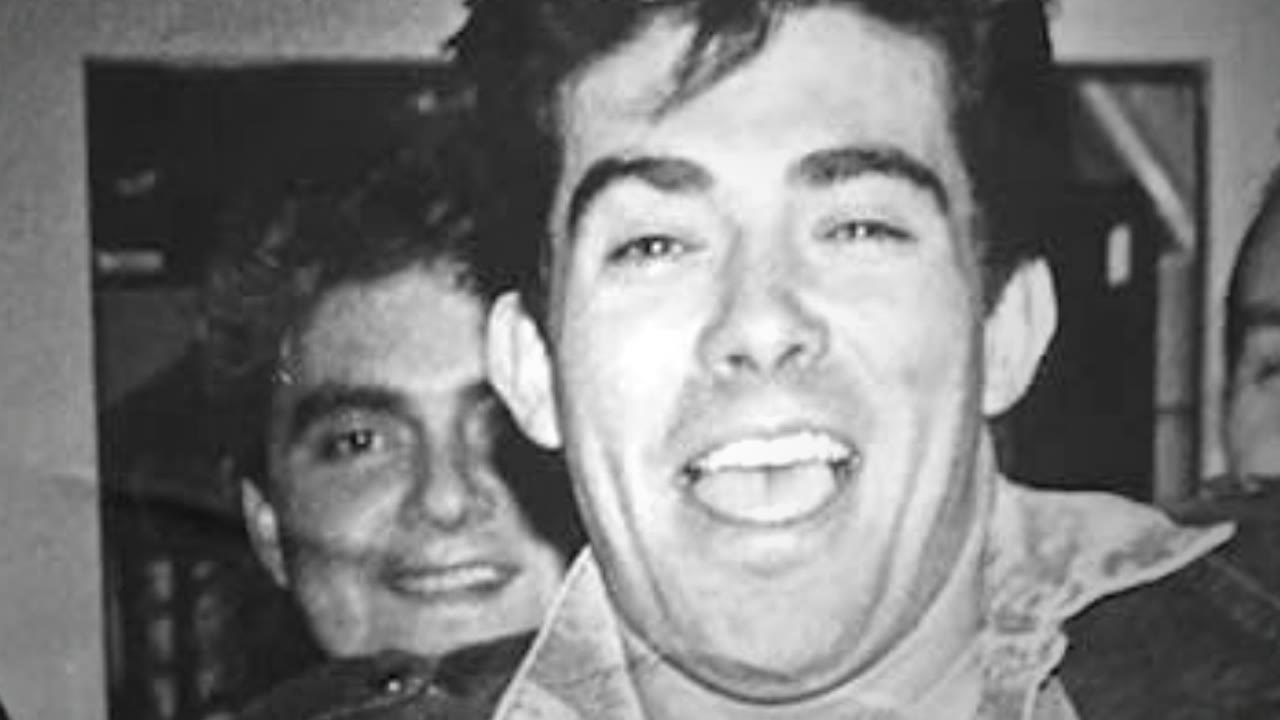
On Christmas Eve 1966, the most dangerous escaped prisoner in Britain walked out of a flat in East Ham and climbed into the back of a van, because he had been told Ronnie Kray was waiting for him at the other end.
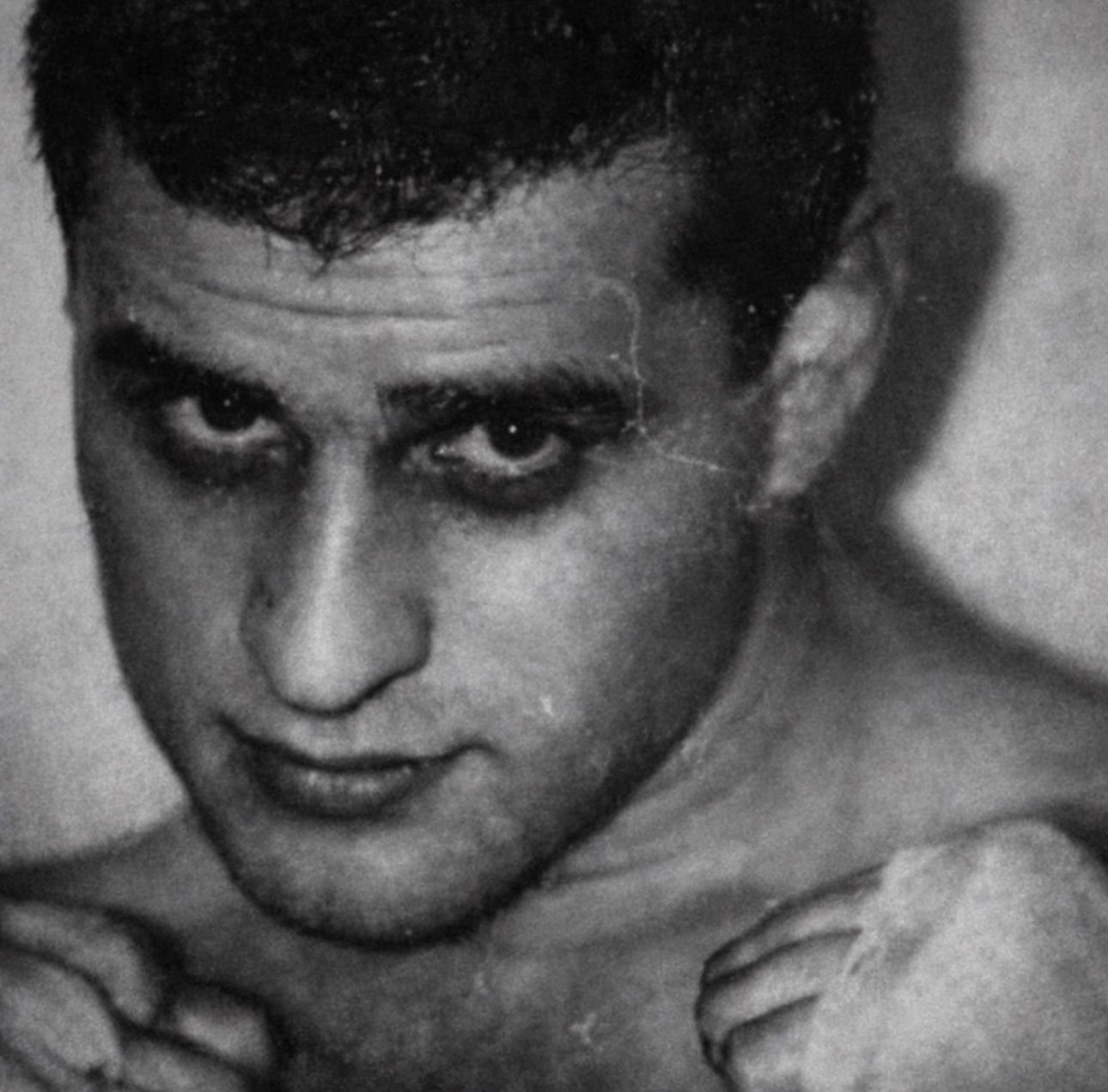
His name was 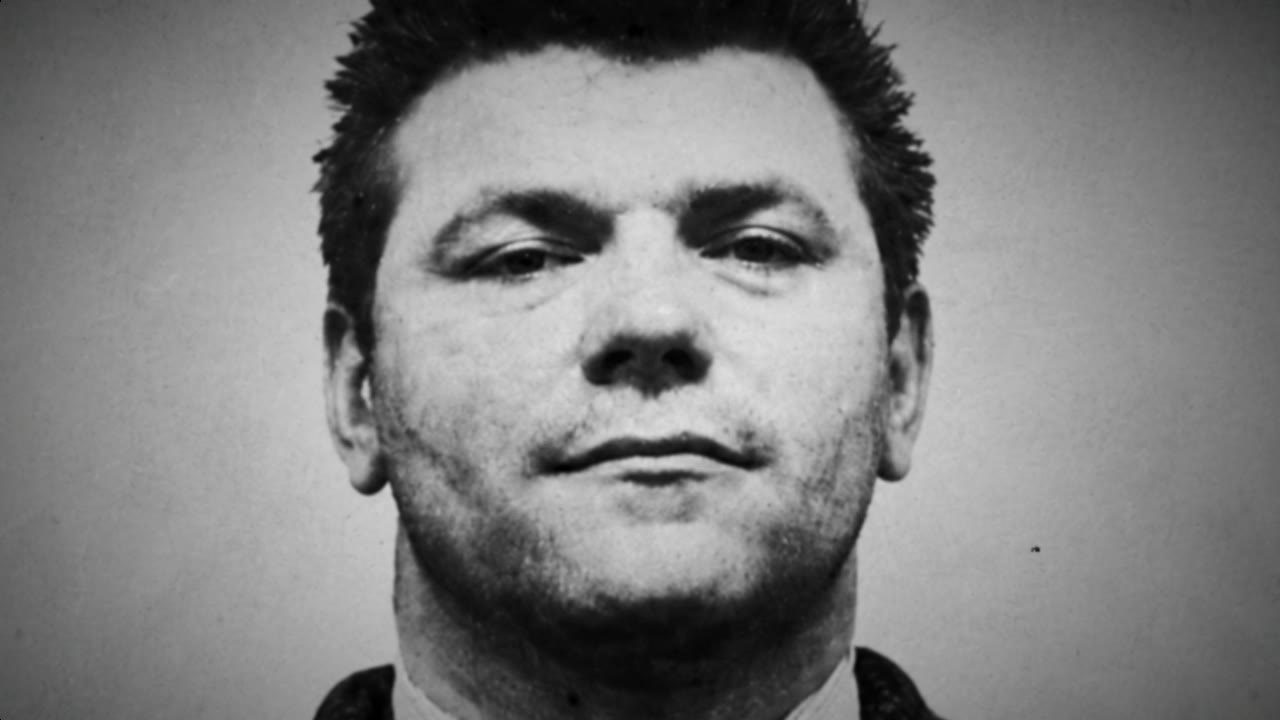 Frank Mitchell. He was thirty-seven, more than six foot tall, with a fifty-four-inch chest. The newspapers called him the Mad Axeman, and he hated the name. For twelve days the police, the Royal Marines and an RAF helicopter had been searching Dartmoor for him. He had been in London the whole time, eating the Krays' food and waiting for the Krays to visit.
They never came. The van did.
1 · 1955
A lock was a challenge
Mitchell was born in Limehouse, one of seven children, and he was in the juvenile courts before he reached double figures. He was a burglar by trade. He used to brag that there was no building he could not get into or out of, and the second half of that boast was the one that made his name.
His first serious job was a break-in at a nurses' home. He had thought it was somewhere worth robbing. When he realised his mistake, with the police already outside, he hid in one of the nurses' rooms and tried to fold himself into her wardrobe. She said afterwards that he did not harm her. He got just under three years.
Then the authorities decided he was "mentally defective", the term of the day, and in 1955 they sent him to Rampton, a secure hospital in Nottinghamshire. A man doing three years could be held there for as long as the doctors liked. Mitchell said he was not mad. He was a convict, and to him there was a difference.
He did not wait to find out how long they meant to keep him. About two years in, he escaped with another patient. On the run they broke into a house for clothes and money, and when the owner challenged them, Mitchell beat him with an iron bar. The man survived. In court Mitchell seemed more upset about the label than the charge. He told the judge there was not a lock he could not undo, and that if he was sent back to any hospital, Broadmoor or anywhere else, he would escape again.
They sent him to Broadmoor anyway, after he went for the police with two meat cleavers.
Timeline
- 1955Sent to Rampton
- 1958Escapes from Broadmoor and is named the Mad Axeman
- Oct 1958Life for robbery with violence
- 12 Dec 1966Walks off Dartmoor
- 24 Dec 1966Climbs into the van
- 1969The Krays and Foreman found not guilty of murder
- 1996Foreman's account published in Respect
2 · 1958
The Mad Axeman
Broadmoor had already learned what an escape could cost. In 1952 a patient called John Straffen got over the wall and murdered a five-year-old girl within hours. After that the towns around the hospital were given sirens, so people could lock their doors when a patient got out.
In 1958 the sirens went for Frank Mitchell. He left a dummy under his blanket, prised off the shutters of his room, sawed through the bars, crept along a ledge and climbed down to freedom in bare feet. At seven that morning he broke into a cottage nearby.
The husband was a big man himself, about sixteen stone, and he tried to stop him. Mitchell knocked him out with the handle of an axe he had picked up from the couple's garage. According to the reports at the time, when the husband came round, Mitchell had his hands round the wife's throat. He told the husband to calm her down, and said nobody would get hurt if they did what he said. Then he had the wife bathe his feet, which were cut to ribbons from the escape. He took food, clothes and their car, and left them bruised but alive.
The press named him the Mad Axeman the next morning. In October 1958 he got life for robbery with violence, and he finished up in the one place that seemed far enough away to hold him. Dartmoor.
3
The Honour Party
At Dartmoor he was a legend before he unpacked. He would lift officers off the ground in what was meant to be a friendly hug and leave them with cracked ribs. Prisoners who crossed him were attacked. Other men fetched him his tea and bacon sandwiches. One of them was a young West London hardman called John Bindon, who would later go into films.
Then the prison tried something nobody had tried on Frank Mitchell. It gave him a little freedom.
He was put on the Honour Party, a group of trusted men who worked outside the walls. He kept birds in his cell. He fed the wild ponies on the moor. By most accounts he was even allowed into the local pubs for a drink. For the first time in his adult life he was calm. What he did not have was a release date, and that was the thing he wanted most.
Ronnie Kray had known him from Wandsworth in the 1950s. Ronnie liked damaged, violent men, the sort who made other people nervous, and Mitchell worshipped him. Breaking him out would show London that the twins could reach through prison walls and lift out the man the system could not handle. Reggie went along with it. According to one account, he visited Dartmoor in disguise to tell Mitchell the plan.
4 · 1966
Five hours on the moor
There was no tunnel and no riot. On 12 December 1966 Mitchell was out with his work party, and he asked the one guard on duty if he could go and feed the ponies. The guard said yes. Mitchell walked to a quiet road, where a car was waiting with three of the Krays' men inside, Albert Donoghue, "Mad" Teddy Smith and Billy Exley. They drove him to London.
It was more than five hours before anyone at Dartmoor noticed he had gone. The escape was debated in the House of Commons the next day, and the Home Secretary had to answer for a lifer who had spent his days wandering the moor with the ponies.
The twins had proved they could get him out. Keeping him in was harder.
They put him in a flat on Barking Road, East Ham, with minders who were terrified of him. With Teddy Smith's help he wrote letters to the newspapers asking for a release date, and The Times and the Daily Mirror printed them. The Home Office was not going to be bargained with by a man on the run. The gamble had failed within days.
Now the Krays had a problem with no good answer. They could not let him walk the streets, because the first man who recognised him would bring the whole thing down on them. They could not hand him back without admitting the escape. And Ronnie, the man Mitchell had escaped to see, never once came to the flat.
Mitchell grew restless. He grabbed one of his minders, a sixteen-stone former boxer, lifted him off the ground by his lapels and said that if he did not see the twins he would kick the door down, walk to Vallance Road and tell their mother how her boys were treating him. For the Krays, whose whole legend was built around that house and that woman, it was the one threat that could not be laughed off.
They tried one more thing to keep him quiet. They sent him a nightclub hostess from Leeds called Liza Prescott. It worked for a while, and then Mitchell fell for her, which gave him one more thing he would not give up.
 Rather watch it?The film is on Gangland & True Crime Docs.Watch →
5 · 1966
The van
On Christmas Eve, Donoghue told Mitchell to get ready. He was being moved to a safe house in the country, and Ronnie would be there. There was nearly a row when Mitchell learned that Liza would not be coming with him. Donoghue talked him round. It was safer if she followed half an hour behind, he said, in case the police stopped them on the way.
Mitchell put on his coat, went out to the van and climbed into the back.
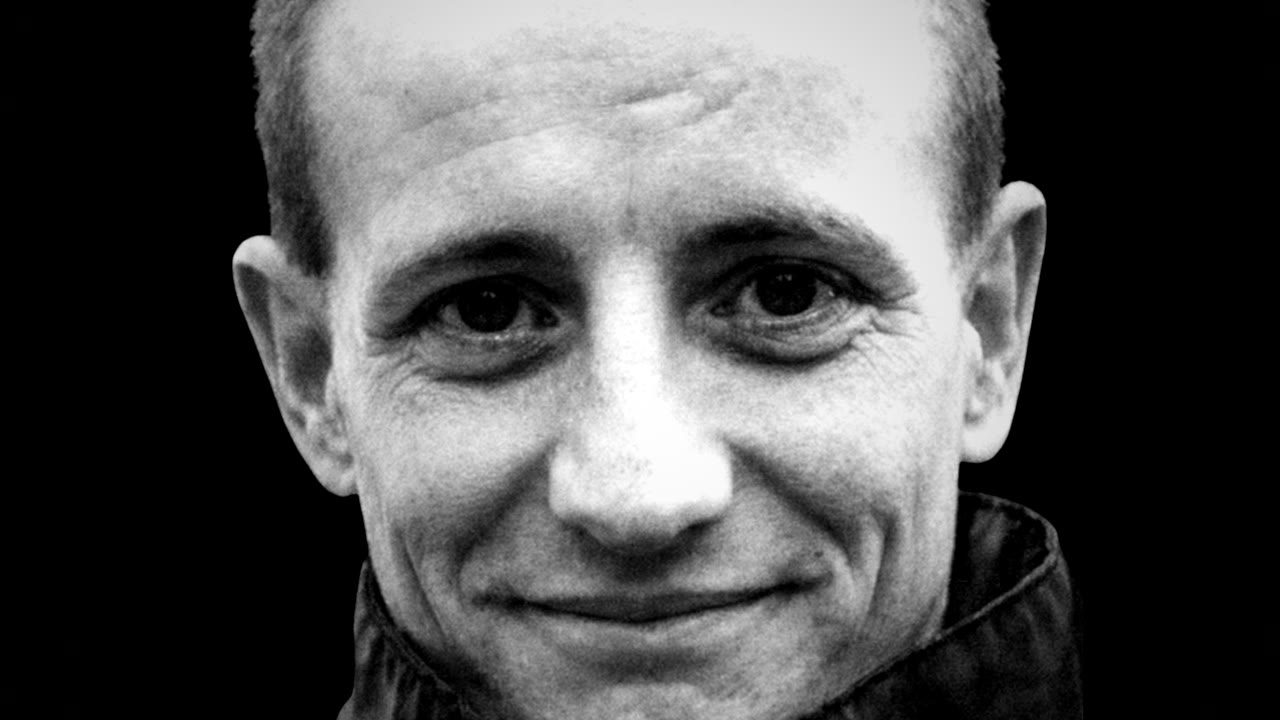
What happened next has been told by two men who were there. Donoghue, who later turned against the twins and gave evidence for the Crown, said he was in the front with the driver when the shooting started in the back, and he thought there were about twelve shots. He told the court he later rang Reggie Kray and used an agreed phrase to say it was done.
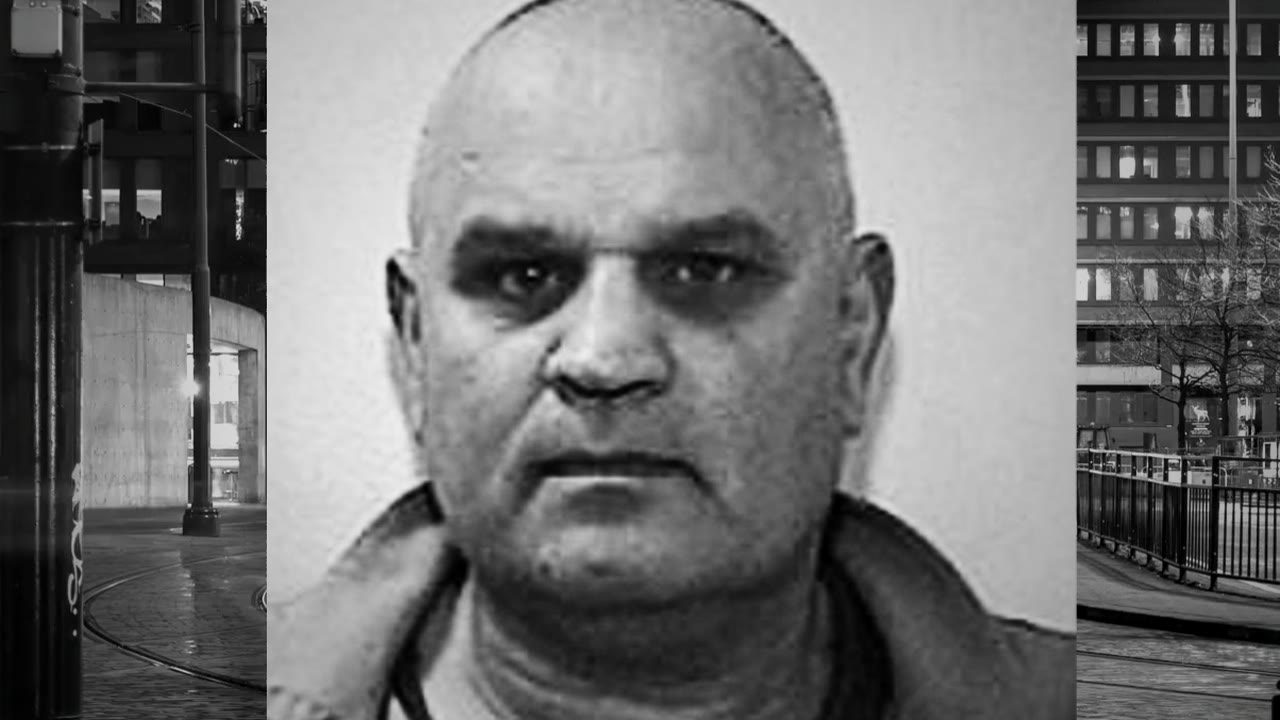
The other account came thirty years later, from Freddie Foreman, the South London figure who ran a firm of his own. In 1996, in his autobiography Respect, Foreman wrote that he was in the back of the van with a pistol, alongside another man, Alfie Gerrard, and that he shot Frank Mitchell as a favour to the Krays. He said the body was wrapped in chicken wire, weighted, and dropped into the English Channel.
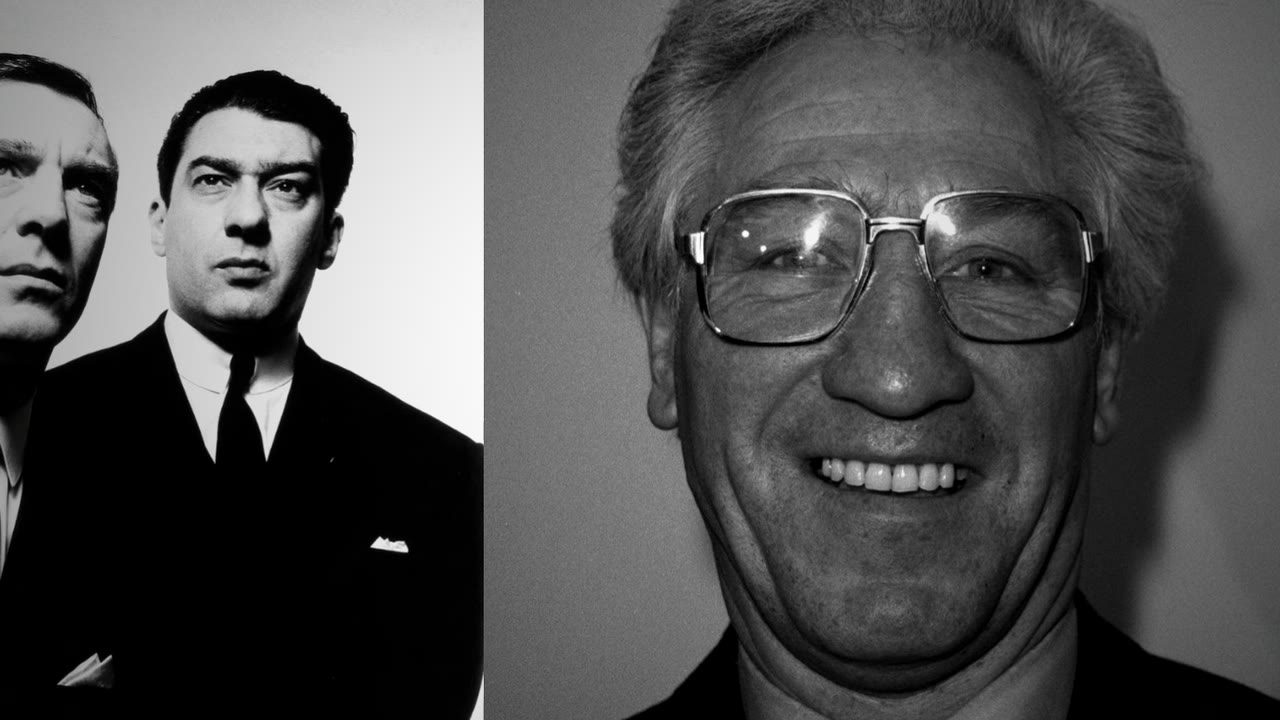
None of that was proved in a courtroom. In 1969, Ronnie, Reggie and Charlie Kray and Freddie Foreman were all found not guilty of Frank Mitchell's murder. With no body, and with doubts over Donoghue as a witness, the jury acquitted every one of them. Reggie was convicted of plotting Mitchell's escape and got five years, to run alongside the life sentences he was already serving for other killings. Donoghue and another man pleaded guilty to harbouring him.
Foreman repeated his confession in a television documentary in 2000. He was arrested and questioned. The case was not reopened, because a man acquitted of a murder could not, at that time, be tried for it twice. Ronnie Kray went to his grave insisting Mitchell had never been killed at all, and had been smuggled out of the country.
Frank Mitchell's body has never been found. Rampton could not hold him, and neither could Broadmoor or Dartmoor. The twins only had to get him to trust them once.
The full story is in our film on Gangland.