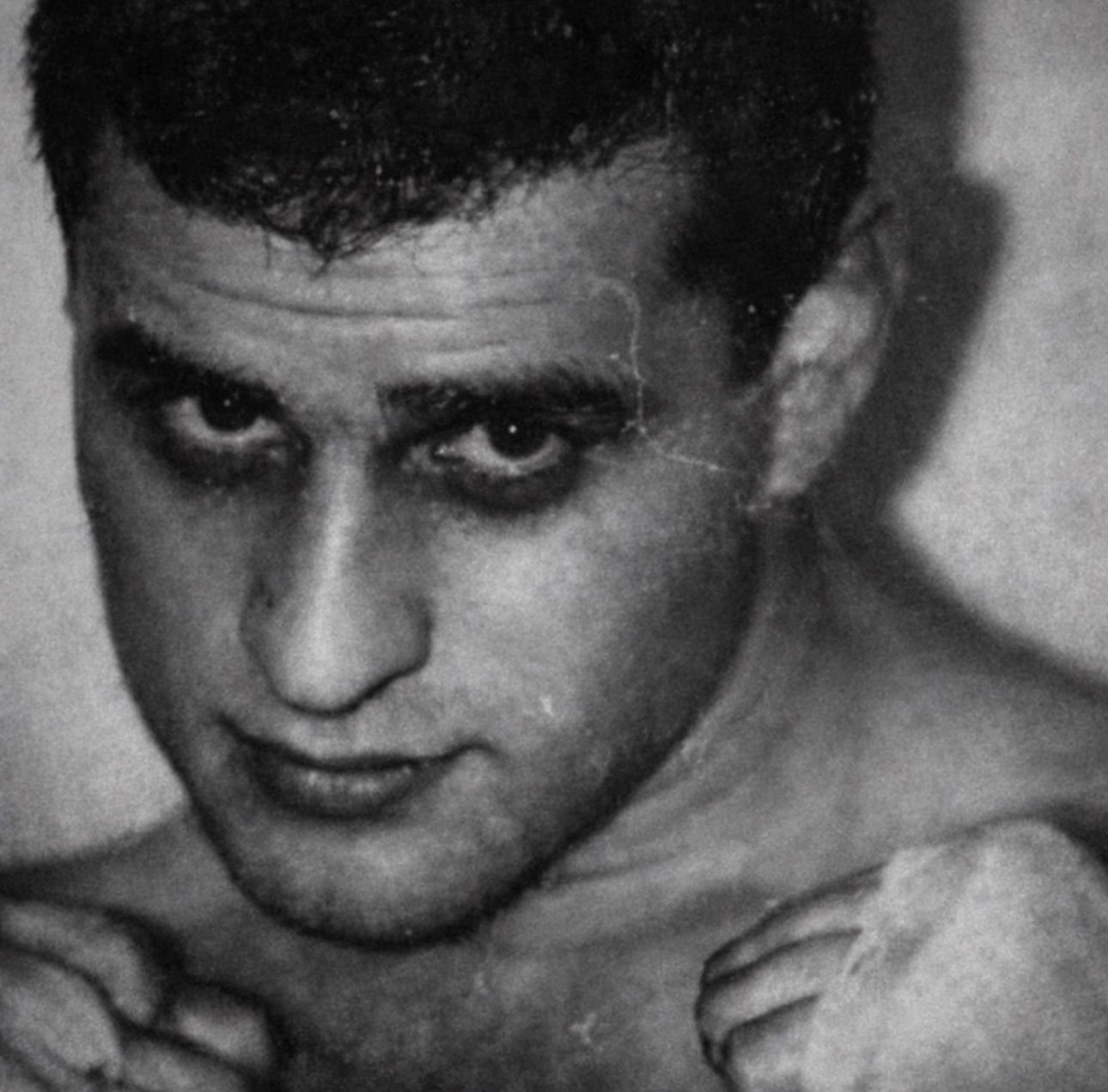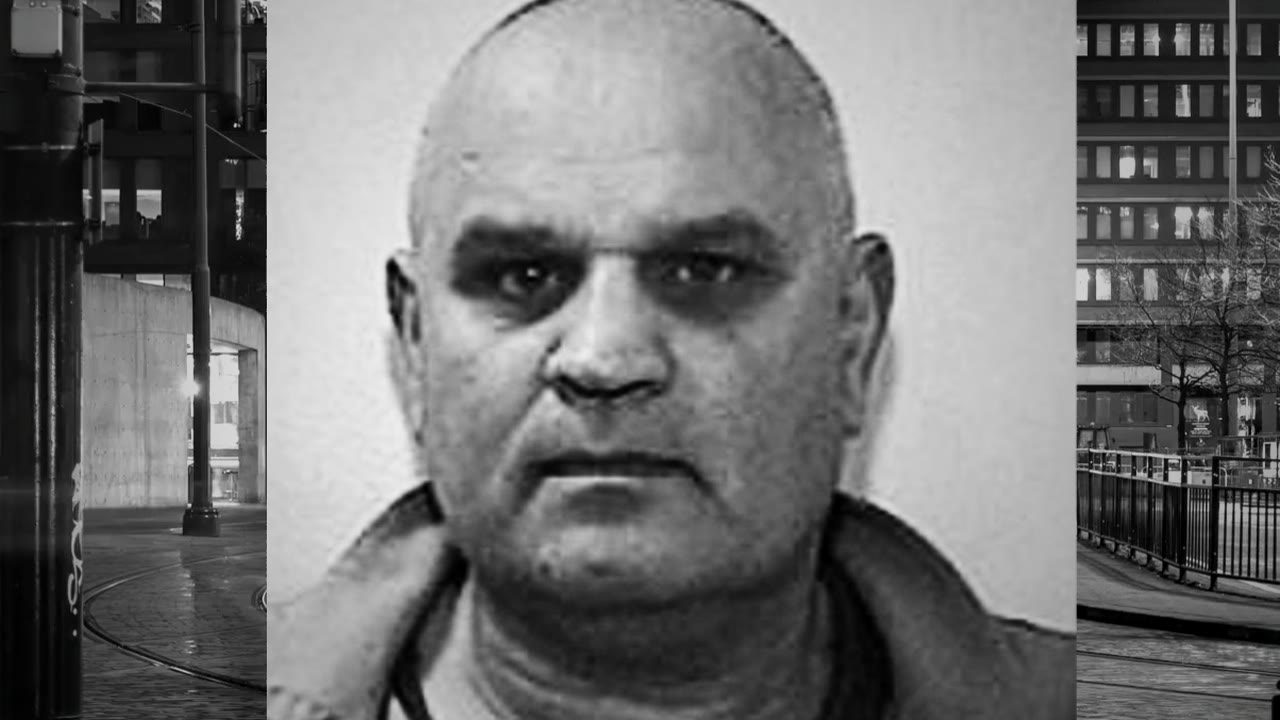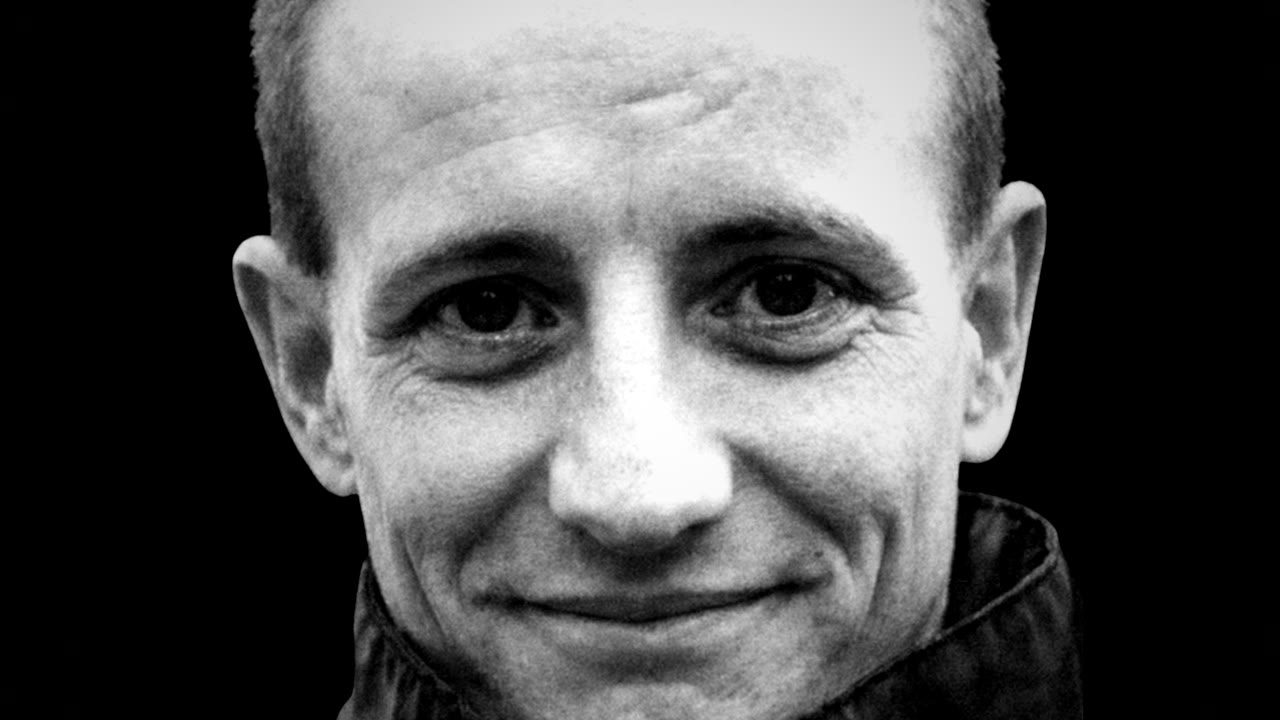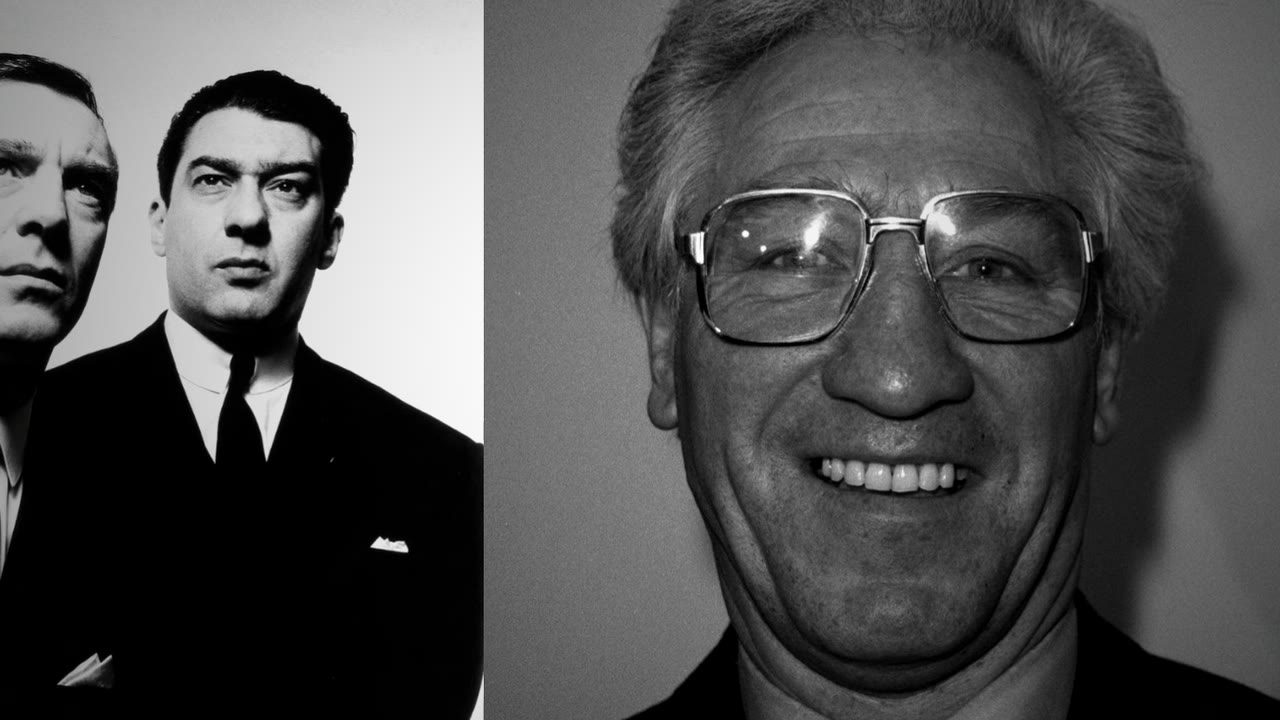
Kevin Lane moved prison blocks in Whitemoor so that he could play for the other side on the prison football pitch, and mark one man.
The man was Gary Nelson. He was six foot four, and inside the high-security system he was one of the most feared prisoners in the country. Lane had his own name for him. "I used to call him Tyson," he said.
It was 1999. Lane was three years into a life sentence for a murder he has always said he did not commit, and he was looking for a fight. He had also worked out where to have one.
I took that fight to him
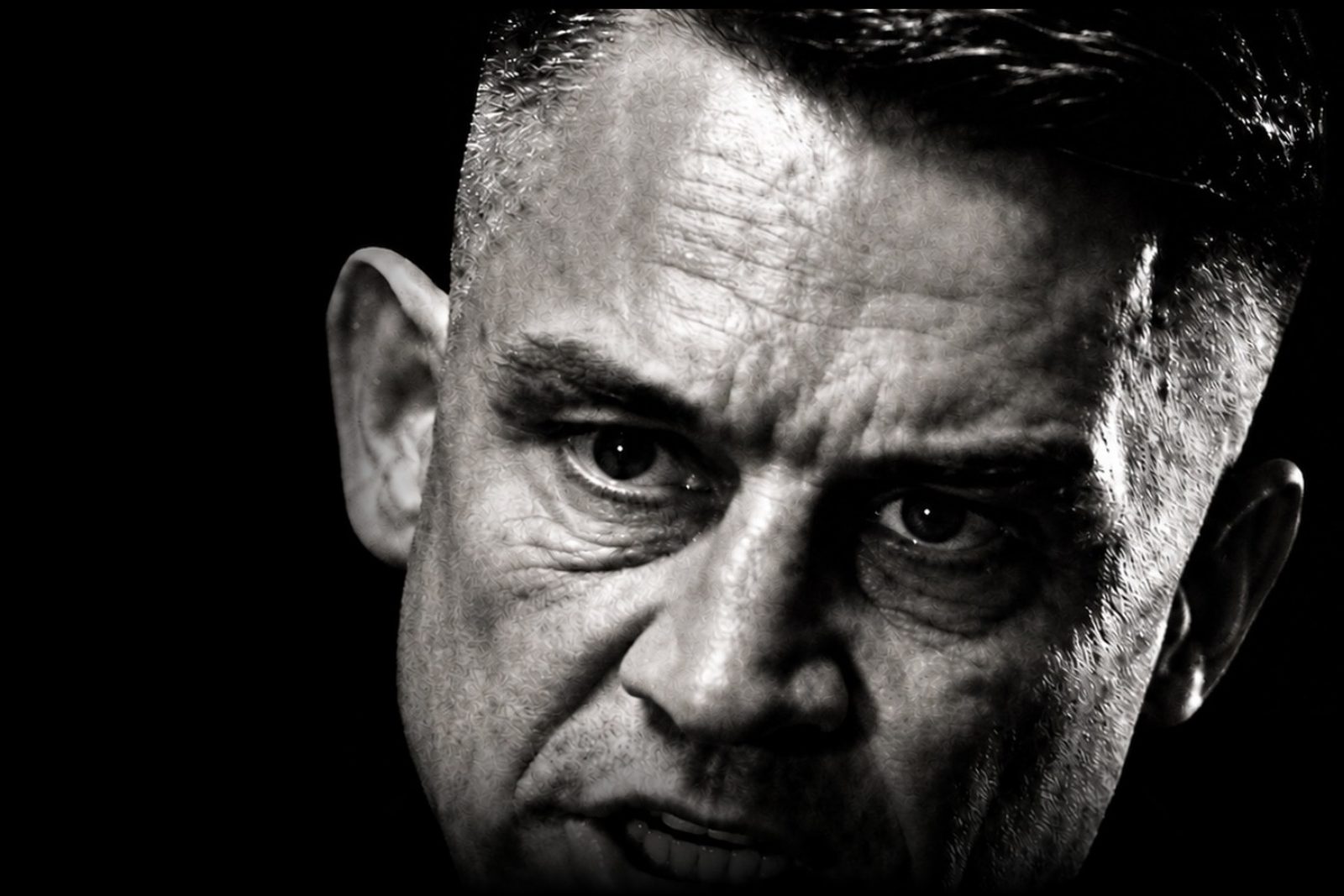
Kevin Lane, on camera
1
Exceptional risk
Whitemoor, in the Fens of Cambridgeshire, held some of the most dangerous men in Britain. Lane was classed as exceptional risk, the highest category the system had. He spent his first years in the special secure units, prisons built inside prisons, with their own walls and fences, alongside IRA men. By his own count he was moved fifteen times in his first six years, and he went twenty-seven months in those units without seeing natural sunlight.
He had been convicted in 1996 of murdering Robert Magill, a man shot dead as he walked his dog on a lane in Chorleywood, Hertfordshire, at about twenty past eight one morning in October 1994. The first jury could not agree. At the retrial at the Old Bailey he was convicted by ten votes to two. He got life.
The case against him was circumstantial. The Crown said two of his prints were on a bin liner inside a pipe in the boot of the murder car, a BMW. Lane has never denied using that car. He says it was lent to him that week and that he put his boys' bags in the boot. The Crown also said that hours after the murder he paid £5,400 in cash for another BMW. Lane says that deal had been agreed days before, and the money came from his own safe.
Lane said then, and has said every day since, that he did not do it. At the Old Bailey he told the jury, according to his own book, "You've made a terrible mistake. I never did this."
In prison, he says, he met violence with violence. Belmarsh, in his words, was "run on violence". He spent months at a time alone in segregation. By 1999 he was on the main wings at Whitemoor, and Nelson was on one of them.
Timeline
- 1993Danso and PC Dunne shot dead in Clapham
- 1994Robert Magill shot dead in Chorleywood
- 1996Lane convicted at the Old Bailey retrial
- 1999The fight on the Whitemoor pitch
- 2007Lane moved to Frankland
- 2015Court of Appeal upholds the conviction
2 · 1993
Tyson
Nelson was a big name inside, and he had his own case. In October 1993, in Cato Road, Clapham, a doorman called William Danso was shot dead at his home, and an unarmed police officer, PC Patrick Dunne, was shot dead when he cycled up to see what the noise was. The first case against Nelson over the killings did not stand up. Years later he was charged again, and he was convicted of both murders and jailed for life.
In 1999 he had not been convicted of either. On the wing he was simply the man nobody wanted trouble with.
Lane wanted trouble with him. He has never claimed it was a fair or noble idea. What he has explained is the thinking. He had reviews coming up all the time. A fight on the landing, in front of the officers, would go on his record. A fight on a football pitch was something else.
"If I have a tear-up on the football pitch," he said, "it's a football incident."
3 · 1999
A football incident
So he moved blocks, and he got himself on the opposite team to Nelson, and when the games started he went looking for him. "Started doing some really bad tackles on him," Lane said, "trying to get him to start."
Nelson did not bite. He did something more dangerous. He tackled back, just as hard. "He ain't no fool," Lane said. "I can assure you."
Then, in one game, Lane stopped pretending to play football. In his own words: "I dive through the air and got him around the throat like Superman." Nelson jumped up, raging at the referee. You cannot let him do that to me, he shouted.
Then Lane was standing behind Nelson when the big man backed into him, turned round, and went to throw a punch. Lane went for him. By Lane's account, Nelson went down and put a hand on the ground.
Everybody piled in. Men grabbed Lane and tried to pull him off, and he fought to get loose so he could carry on. In his book he writes that while he was being held, Nelson landed his only punch, to the back of his head. Lane stumbled, got up, and was taken off the pitch. So was Nelson. Both of them were escorted back to their wings.
4 · 1999
"I was wrong"
What happened the next day is the part Lane tells against himself.
A relative of his was in Whitemoor at the time, a man Lane describes as very principled and one of the people he learned his own principles from. He told Lane he was out of order. He said Lane had started on Nelson for nothing, and that he should go and apologise.
Lane refused at first. Then Nelson came out onto the wing. In Lane's words he had a hat on and glasses, to cover the bruises. Lane says there was not a mark on himself.
He went over and apologised. "I said, 'I was out of order. I shouldn't have,'" Lane recalled. He has never told the story as a victory.
"I took that fight to him," he said, "and I shouldn't have done. I was wrong."
The prison service kept them apart after that. By Lane's account, in 2007 he was moved to Frankland in a one-for-one swap, because the two of them could not be held in the same jail.
 Rather watch it?The film is on Gangland & True Crime Docs.Watch →
5 · 2015
Still fighting
Between the fights, Lane wrote. His first letter went to David Jessel, the presenter of the TV series Trial and Error, which looked at miscarriages of justice. By his own count he wrote ten thousand more, to lawyers, journalists and anyone who would read them. Papers came back. Custody records. Statements, he says, that his defence never saw at trial.
His case reached the Court of Appeal in June 2015. His barrister argued that the conviction was unsafe. On 8 July 2015 the court rejected the appeal and upheld the conviction. Lady Justice Rafferty said the appeal could not have been in more skilled hands, but that it was an attempt to build bricks without straw.
Lane was released on licence after around twenty years. He says he has been recalled to prison three times since, and that each recall stopped whatever he had been building. He still says he did not kill Robert Magill. The law still says he did. His book is called Fitted Up and Fighting Back.
The fight on the Whitemoor pitch is one of the few stories he tells where he is clearly in the wrong, and he says so himself, on camera, in plain words.
The full story, in Kevin Lane's own words, is in our series HITMAN? on Gangland.