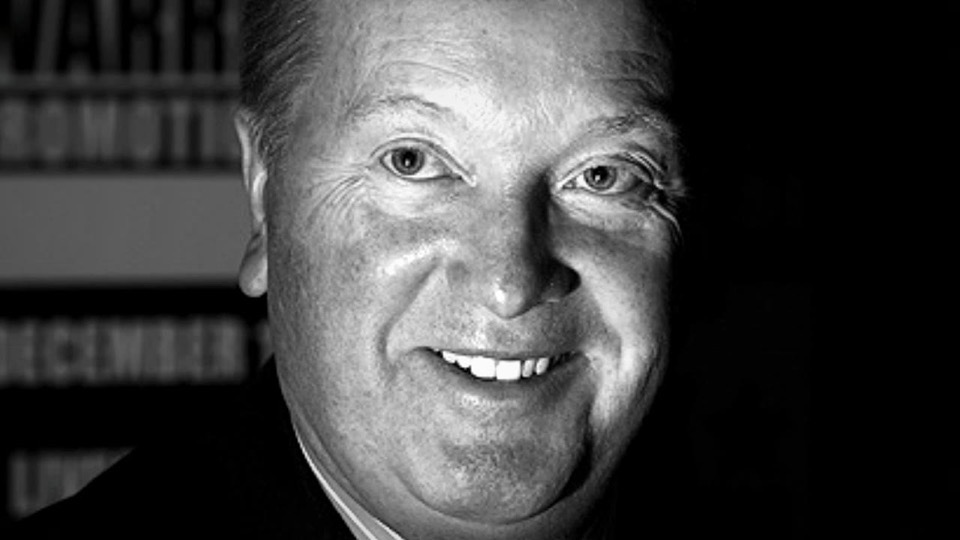
Frank Warren stepped out of his car outside the Broadway Theatre in Barking on the night of 30 November 1989 and heard a bang, and he thought a car had backfired.
He was thirty-seven, and he was the most talked-about boxing promoter in Britain. He had a show on that night. He turned round and saw a man in a balaclava a few feet away, holding a pistol. "I genuinely thought it was a joke," he said years later, "then I heard a click."
The gunman shot him in the chest. Warren ran, and went down on the pavement. His business partner grabbed the gunman and wrestled with him, but the man broke free and was gone into the dark. Warren could feel something in his chest that he later described as gurgling, "like I was drowning". "All this blood was coming up," he said.
I genuinely thought it was a joke
Frank Warren, on the night he was shot
There was an ambulance strike on that winter. He went to hospital in the back of a police van.
The bullet had missed his heart by about an inch. He lost half a lung and part of his ribs. The police told his wife, who was pregnant, that it was fifty-fifty whether he would live. He lived. He woke up after surgery, in his words, "with all these tubes draining my lungs". Two and a half weeks later he was back at his desk. "I shouldn't have been," he said later. "I'd lost about three stone."
The question the police had to answer was the one every man in boxing was already asking. Who wanted 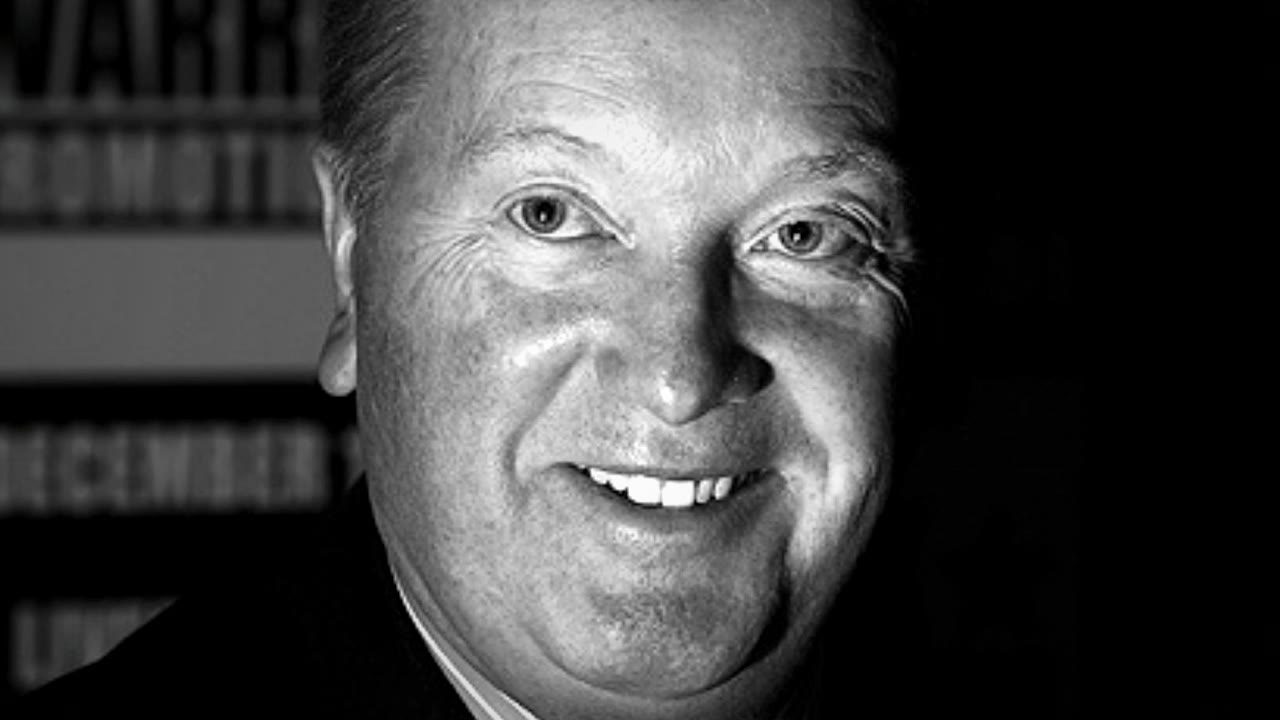 Frank Warren dead?
1
The boy from Priory Green
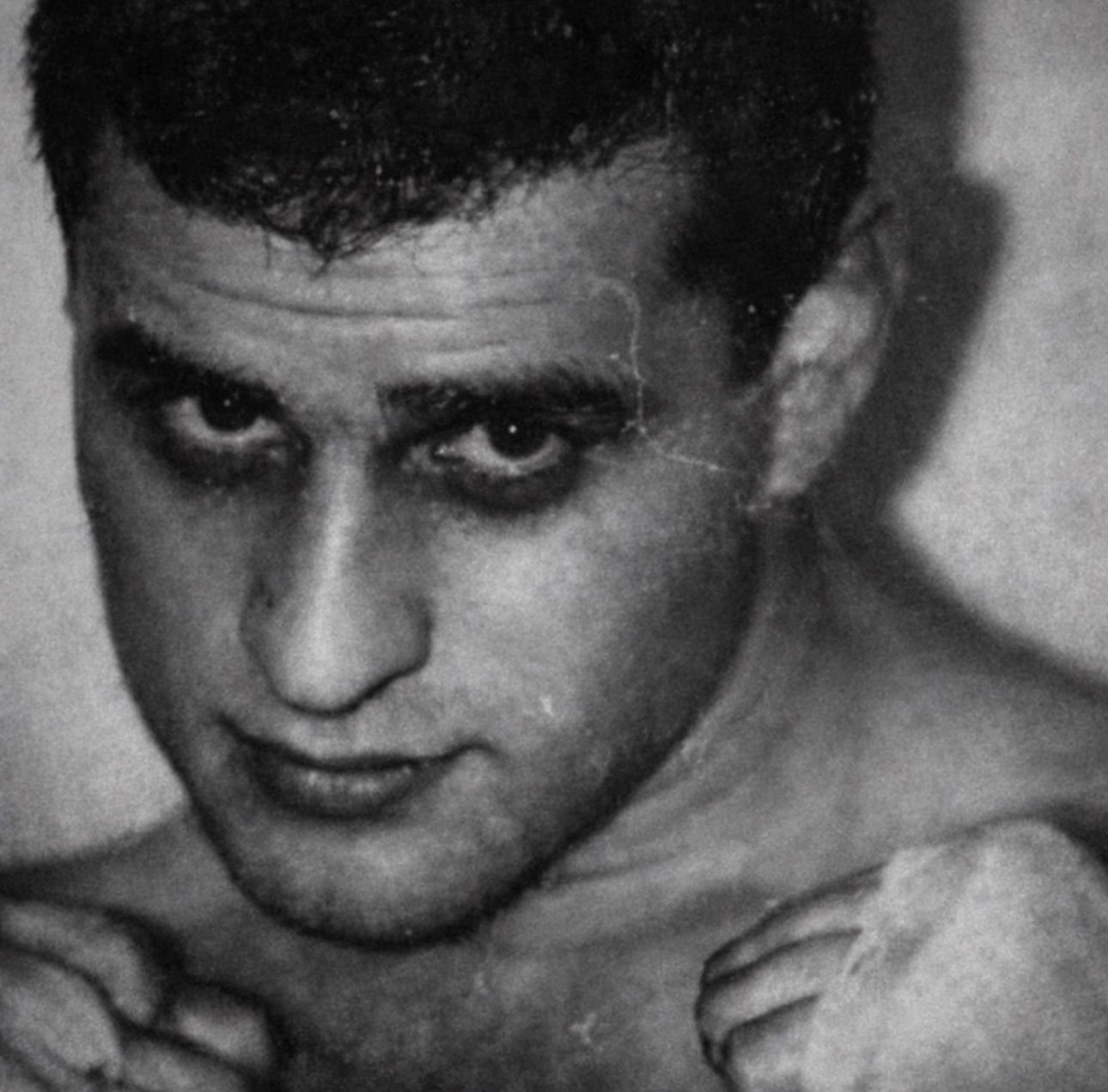
Warren grew up on the fourth floor of a council block on Pentonville Road, Islington, the eldest of four. His father was a bookmaker. He came into boxing through the unlicensed game, the unregulated fights in pubs, halls and car parks that pulled big crowds in 1970s London. Lenny McLean was his second cousin.
Warren did not mean to stay on the outside. In the early eighties he took on the British Boxing Board of Control, which ran the professional sport. He and other unlicensed promoters set up a rival boxing council of their own, and found the venues they wanted mysteriously booked up. When the battle was over, Warren had a Board licence of his own and the rival council was finished. Some of the men who had stood with him in the unlicensed world never forgave him for it. Warren saw it more simply. He had won.
By the late eighties he was building a stable of champions, and he was not shy of the courts. When a newspaper wrote that he had risen from the gutter, he sued. He took the view that his mum's council flat was not a gutter.
Timeline
- Mar 1987Marsh wins the IBF title under Warren
- Sep 1987Marsh retires with epilepsy
- 30 Nov 1989Warren shot in Barking
- 17 Jan 1990Marsh arrested at Gatwick
- 7 Nov 1990Marsh found not guilty
- 1992Libel dispute ends in Marsh's favour
2 · 1987
The fighting fireman
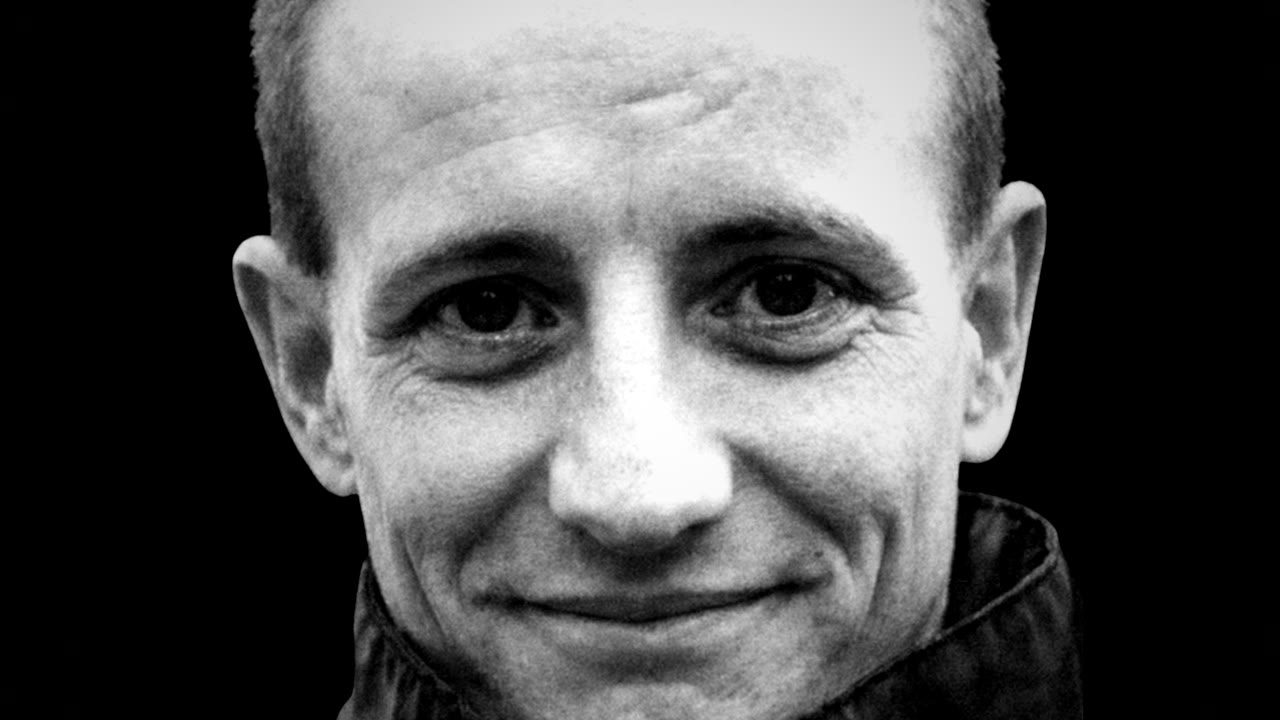
His first world champion was Terry Marsh, from Stepney, a former Royal Marine who had served in Cyprus and in Crossmaglen in South Armagh, and who still worked shifts as a firefighter in Essex. In March 1987, under Warren's promotion, Marsh stopped the American Joe Manley in the tenth round in a tent in Basildon and won the IBF light-welterweight title. In July 1987 he defended it at the Royal Albert Hall against Akio Kameda of Japan, stopped him in the seventh round, and stayed unbeaten.
Then it ended overnight. In September 1987 Marsh announced that he had epilepsy. He retired, never beaten as a professional. In the arguments that followed, Marsh suggested that people around him in boxing had known about his condition for longer than they let on. Warren sued him for libel. A partnership that had produced a world champion became a public feud.
So when Warren was shot two years later, the detectives did not start with a blank page. They started with Terry Marsh.
3 · 1990
The trial
Marsh was arrested at Gatwick on 17 January 1990, coming home from America, where he had been watching Nigel Benn fight. He was charged with attempted murder and remanded in custody. Each time he appeared at Barking Magistrates' Court, a crowd of his supporters gathered outside. Plenty of people in East London and Essex had already made up their minds that the fighting fireman had not done it. He spent ten months inside waiting for his trial.
The case that reached the Old Bailey was thin. There was no gun and no forensic evidence. Ammunition found at his home did not match the bullets fired at Warren. Much rested on what the police said Marsh had told them.
According to the reporting of the trial, a detective said that when Marsh was told why he was being arrested, he asked if it was his wife who had said he did it. Marsh said that was because she had been shouting it in the street after a row. Asked about a luggage key in his bag, he told officers that was where they would find the gun. Asked which gun, he said an Uzi, an Ingram and five hundred rounds. Nobody found any of it. Marsh said it was gallows humour from a man who could not believe he was being arrested.
One eyewitness had first told police the gunman looked like Rodney Marsh, the footballer. He later changed his statement to Terry Marsh, saying he had mixed up his sportsmen. The court heard he had been given free boxing tickets by a police officer after he changed it. A second witness was a fellow prisoner who claimed Marsh had confessed to him. Even the prosecution told the jury to take care with him.
Then the defence went somewhere nobody expected. Marsh's barrister, Richard Ferguson QC, put it to Warren that there could be a reason for the shooting that had nothing to do with boxing at all, and raised a personal matter in his private life. Warren was furious. He told the court he had come because somebody had tried to kill him, and was now facing character assassination. The questions, the defence said, went to motive. Who else might want him dead?
The jury went out for about four hours. On 7 November 1990, after a nine-day trial, they found Terry Marsh not guilty of attempted murder. There was a loud cheer in court.
4 · 1989
Still unsolved
Marsh never boxed again. He wrote a book, called it Undefeated, and later stood for Parliament as a protest candidate. In his fifties he took up chessboxing, a sport that alternates rounds of chess with rounds of boxing, and won a world title at that too. The libel dispute between him and Warren ended in Marsh's favour in 1992.
Warren went on to become the most powerful promoter in British boxing, and stayed there for more than thirty years. He has talked about the night many times since, about the click, the blood, the police van and the fifty-fifty. He has never named the gunman, and the police never charged anyone else.
So the question is the same one it was on the pavement outside the Broadway in 1989. The prosecution was sure it was about boxing. The defence thought it might be about something else entirely. A jury decided it was not Terry Marsh.
Nobody has ever been convicted of shooting Frank Warren. The man in the balaclava is still out there, or he is dead, and either way he has never said a word.
The full story is in our film on Gangland.